Building Better: Why I Chose FlyntWP for Lightning-Fast WordPress Development
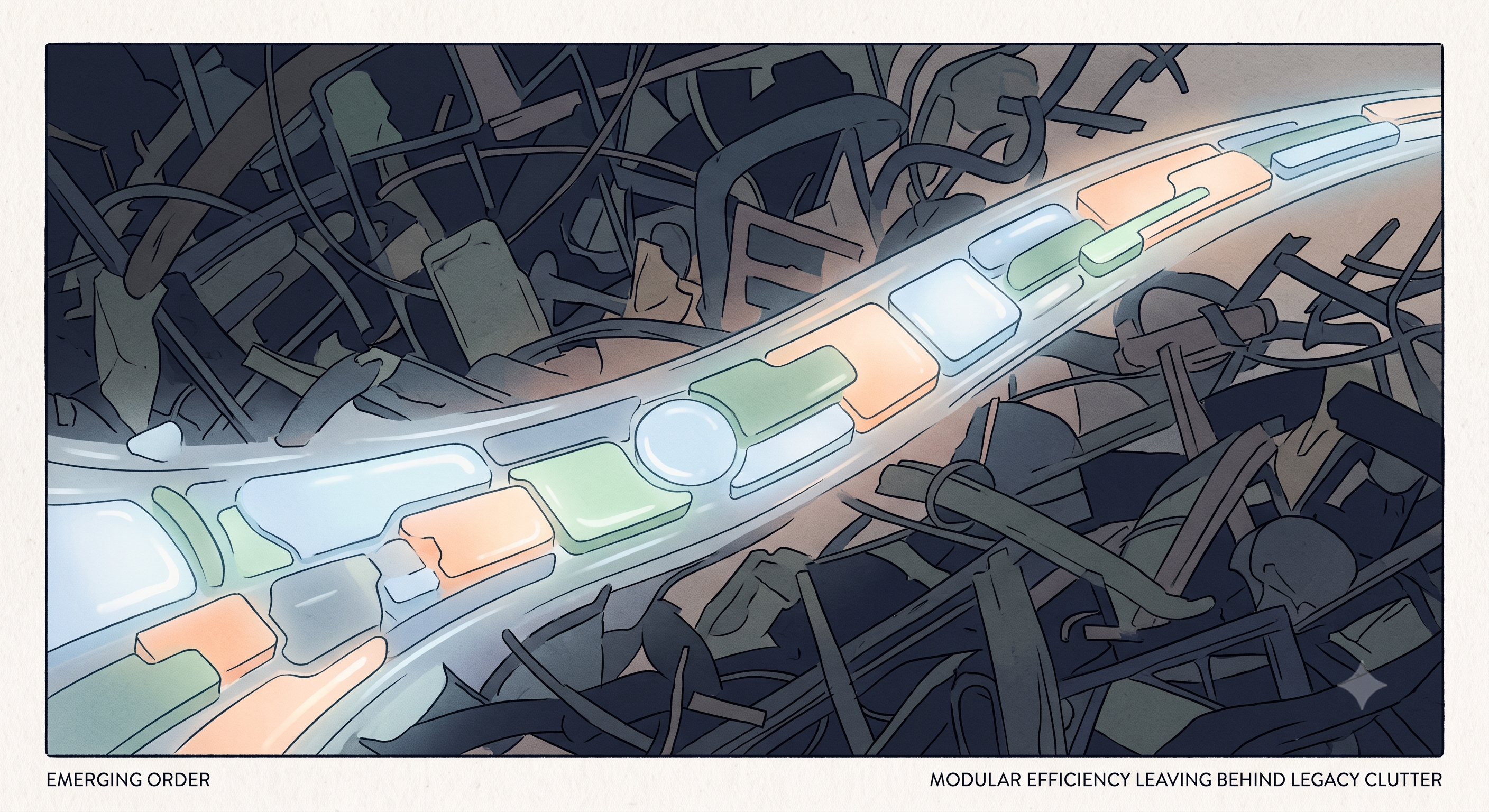
I've built my fair share of WordPress sites over the years, and I’ve seen the rise and, frankly, the performance fall of many popular low-code page builders. While they promise quick turnarounds, they often deliver a bloated, sluggish experience that leaves both developers frustrated and clients with poor Core Web Vitals scores. That's why, when I discovered FlyntWP, it felt like finding a beacon in a sea of unnecessary JavaScript and div soup.
FlyntWP isn't another drag-and-drop page builder; it’s a refreshing, programmatic framework built for developers who demand control, speed, and clean code. It shifts the paradigm from visual assembly to a component-driven architecture, giving us the power to craft bespoke WordPress themes that are lightweight, highly performant, and incredibly flexible. For me, it means no more fighting with proprietary page builder structures or trying to debug deeply nested, inline-styled elements that are impossible to optimize.
At its heart, FlyntWP leverages modular Twig components, allowing us to break down complex layouts into manageable, reusable building blocks. Each component, from a simple hero section to an intricate testimonial slider, is its own self-contained unit. The magic really happens when you pair this with Advanced Custom Fields (ACF) Pro. I use ACF Flexible Content fields to empower my clients to build pages visually using these components, but the presentation layer – the Twig templates – remains entirely within my control. This separation of concerns is brilliant: clients get an intuitive content editing experience, and I get to write clean, maintainable code without compromising design fidelity or performance.
Let's talk about development speed. Modern web development demands fast feedback loops, and FlyntWP delivers precisely that with its integration of Vite. Forget slow Webpack builds; Vite’s lightning-fast hot module replacement (HMR) and near-instant server start times dramatically accelerate my development workflow. I can make a change to a Twig template or CSS file and see it reflected in the browser almost instantaneously. This isn’t just a convenience; it’s a fundamental shift that makes the development process more enjoyable and productive, allowing me to iterate faster and focus more on creating exceptional user experiences.
Perhaps the most compelling argument for FlyntWP, especially in today's performance-driven web landscape, is its commitment to a clean DOM structure. Because we're writing our own Twig templates for each component, there's no extraneous markup, no unnecessary wrappers, and no inline styles polluting the output. This results in a remarkably lean and semantic HTML structure, which is absolutely critical for achieving flawless Core Web Vitals scores. A clean DOM directly translates to better Cumulative Layout Shift (CLS), faster Largest Contentful Paint (LCP), and improved Interaction to Next Paint (INP) because the browser has less to render, reflow, and repaint. This isn't just about pleasing Google; it's about providing an instant, delightful experience for every visitor.
In my experience, FlyntWP isn’t just a framework; it's an approach that prioritizes performance, developer ergonomics, and long-term maintainability. It allows me to build custom WordPress themes that are not only aesthetically pleasing and functionally robust but also incredibly fast and SEO-friendly right out of the gate. For anyone tired of fighting bloated page builders and sacrificing performance for perceived ease of use, I wholeheartedly recommend exploring FlyntWP. It’s the programmatic, component-based future of WordPress development, delivering the speed and flexibility we truly need.