Your First Reusable FlyntWP Component: Building a Bulletproof Button
If you've spent any time wrangling bloated page builders, you know the pain of slow load times, messy HTML, and the constant battle to maintain consistent…
Notes on WordPress engineering, WooCommerce builds, and shipping for the modern web.
If you've spent any time wrangling bloated page builders, you know the pain of slow load times, messy HTML, and the constant battle to maintain consistent…
There's an undeniable allure to WordPress page builders like Elementor or Divi.

One of the most common frustrations I hear from developers dealing with traditional low-code page builders is the sheer bloat and inflexibility they introduce.

We talk a lot in the WordPress world about page builders versus custom-coded themes.
One of the most powerful capabilities WordPress offers to engineers is the extensibility of its core systems.

When I first started diving deep into WordPress theme development, I was instantly frustrated by the common practice of cramming all sorts of data fetching…

I'm constantly on the hunt for ways to build faster, cleaner websites without sacrificing an ounce of design control or performance.

I've spent years building WordPress sites, and the conversation always circles back to the same fork in the road: do we use a page builder like Elementor or…
When you're pushing WordPress beyond a traditional content management system into a robust application platform, the default REST API, while incredibly…
If you’ve spent any time battling WordPress theme development, you know the struggle: templates crammed with `query_posts`, `get_field`, and all sorts of data…

When I first started building WordPress sites, the promise of low-code page builders was alluring.
One of the most powerful features for modern WordPress infrastructure engineers is the REST API, and moving beyond core endpoints with custom routes opens up a…

If you’ve spent any time digging into WordPress theme development, especially with custom post types and custom fields, you’ve probably run into the common…
I've been building WordPress sites for over a decade, and I can tell you, the rise of page builders, while convenient on the surface, often led me down a path…
There’s no denying the immediate appeal of a WordPress page builder like Elementor or Divi.
One of the most frequent battles I find myself fighting in the WordPress trenches isn't about code bugs or server configurations, but something far more…
As WordPress evolves into a powerful headless CMS, its REST API becomes a critical interface for external applications.

If you've spent any time digging through traditional WordPress theme code, you've likely encountered the "Wild West" approach to data retrieval.

If you've ever wrestled with WordPress themes built using page builders like Divi or Elementor, you know the feeling.

If you’ve ever wrestled with a slow, bloated page builder, you know the frustration.
For years, my journey building custom WordPress themes felt like navigating a beautiful, but increasingly overgrown, garden.
I've spent years battling the bloat of traditional page builders, constantly chasing elusive Core Web Vitals scores while my clients wrestled with complex…
When building sophisticated applications atop WordPress, the default REST API, while powerful, doesn't always provide the exact data structure or access…
One of the more tedious aspects of maintaining a public WordPress plugin is the deployment process to WordPress.org.
I've been working with FlyntWP for a while now, and it constantly reminds me why I made the switch from heavy, drag-and-drop page builders.
One of the most common frustrations I've encountered with traditional low-code page builders is the sheer amount of bloat they introduce.
The call came on a Tuesday afternoon, about three weeks after we’d launched what I thought was a pristine new marketing site for a small B2B SaaS client.

Building modern WordPress themes with a focus on maintainability and a clean codebase often feels like an uphill battle, especially if you're coming from the…
When we push the boundaries of WordPress, we often find ourselves needing to expose custom data or functionality beyond what the core REST API offers.

If you’ve spent any time developing custom WordPress themes, you know the struggle: how do you get data from your custom post types (CPTs) and their associated…
I've been working with FlyntWP for a while now, and one of the biggest "aha!" moments for me came from truly embracing the power of reusable Twig partials.
For years, deploying WordPress applications felt like a recurring exercise in caution and manual repetition.

The debate between custom WordPress themes and page builders like Elementor or Divi is a familiar one in web development circles.

If you’ve spent any time battling WordPress themes, you know the struggle: templates crammed with database queries, conditional logic tangled with HTML, and a…
I’ve spent years battling the bloat and complexity of visual page builders, watching beautiful designs crumble under mountains of unnecessary divs and inline…
I remember a particular "Meet Our Team" page for a client that became the poster child for why I've moved away from page builders for good.

When we talk about extending WordPress beyond its core content management capabilities, the built-in REST API is an invaluable tool.
When building complex WordPress applications, we often find ourselves needing to expose data beyond the default post types and fields available through the…

If you've spent any time wrestling with traditional WordPress themes, you know the struggle: a sprawling mess of PHP logic directly in your template files,…

I've been building WordPress sites for years, and like many of you, I've seen the rise and fall of various page builders.
I remember the early days of WordPress theme development, constantly battling global variables and embedding `WP_Query` calls directly into template files.
I’m a big believer in building WordPress sites that actually *perform*, not just look good.
I'm a developer who genuinely enjoys building things, but for years, I wrestled with the bloat and limitations of conventional page builders.

I’ve spent years navigating the treacherous waters of WordPress development, wrestling with themes that promised flexibility but delivered a tangled mess of…
When I first started building WordPress sites, I quickly fell into the trap of sprinkling PHP logic directly into my template files.
I've spent years wrestling with manual WordPress deployments, and frankly, it's a productivity killer.

I once built a beautiful, clean website for a design agency.
There’s a common fork in the road when building a WordPress site: do you lean on the accessible visual power of page builders like Elementor or Divi, or do you…
Alright, let's talk WordPress.
For anyone managing WordPress sites beyond a simple personal blog, the task of deploying code updates quickly becomes a bottleneck.

I’ve spent years navigating the often-murky waters of WordPress theme development, and if there’s one thing that consistently frustrates me, it’s the struggle…
I've spent years battling the bloat and rigidity of traditional low-code page builders.
My phone rang a few weeks ago, and on the other end was Sarah, owner of Green Thumb Nurseries, a local business I’d been chatting with about their website.
One of the most powerful features of modern WordPress development, particularly when thinking about backend infrastructure, is the ability to extend the REST…
One of the most tedious and error-prone tasks in advanced WordPress development is deploying code changes to staging or production environments.

If you’ve spent any time wrangling WordPress themes, you know the struggle: templates that become a spaghetti monster of PHP logic, database queries, and HTML.

One of the reasons I champion Sage for WordPress development is its unwavering commitment to clean architecture.
I've been working with FlyntWP for a while now, and one of the things that truly sets it apart from the sea of drag-and-drop page builders is its commitment to…
I've spent years battling slow, bloated WordPress sites, often victims of "convenient" low-code page builders.
When I first stumbled into WordPress development years ago, the common approach often felt like a wild west of WP_Query calls sprinkled directly into template…

I've had countless conversations with clients eager to update their own WordPress sites.

When I first stumbled into the world of WordPress development, I quickly became frustrated with the traditional approach.

When I talk to new clients about building their WordPress site, the conversation inevitably turns to "page builders." Tools like Elementor, Divi, and Beaver…
Managing WordPress deployments manually often feels like a relic from a bygone era.

If you've spent any significant time building WordPress themes, you've likely encountered the "template spaghetti" problem.
I’ve had enough of slow, bloated websites.
I’ve spent years navigating the complexities of WordPress development, often finding myself at odds with the compromises of traditional low-code page builders.

We talk a lot about WordPress page builders versus custom code, often diving into technical specs like page load speeds or Core Web Vitals.
I've spent countless hours navigating FTP clients, manually sifting through plugin updates, and holding my breath during database migrations.
I've spent years battling with various WordPress page builders, and I know the drill: the initial speed boost quickly gives way to bloated code, agonizing load…
When I first stumbled into the world of WordPress development, I spent too long wrestling with page builders.
We’ve all seen the WordPress debate rage: custom code versus page builders like Elementor or Divi.
When extending WordPress beyond a traditional CMS, its built-in REST API is a powerful foundation.
As WordPress developers, we frequently encounter scenarios where the default REST API endpoints just don't cut it.

If you’ve spent any serious time building WordPress themes, you know the struggle: templates riddled with `WP_Query` calls, `global $post` spaghetti, and…
If you've spent any time battling slow page builders, wrestling with their generated mountain of div soup, or just generally feeling limited by their low-code…

When discussing WordPress development, the "custom theme vs.
I've seen my share of WordPress horror stories, but one incident involving a client and their freshly-launched website really cemented my stance on custom…
The word "flexible" sounds good in web development, right?
When WordPress acts as a headless backend or a service API, extending its default REST capabilities becomes essential.
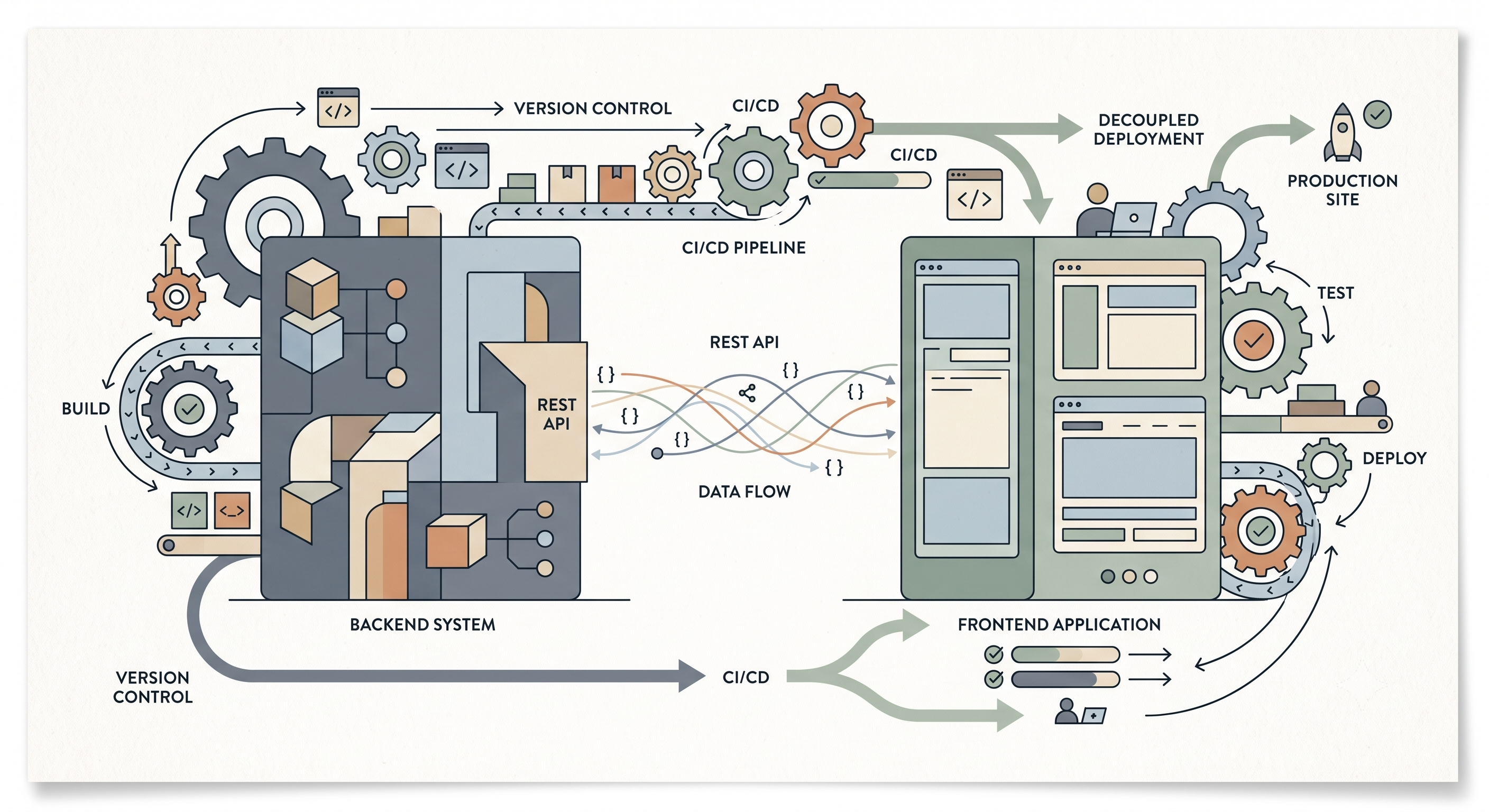
I've spent years pushing the boundaries of WordPress, and one of the most transformative shifts in recent memory has been the move towards headless…

One of the biggest frustrations I used to have with traditional WordPress theme development was the inevitable mess that emerged from mixing presentation logic…
If you've spent any time building WordPress sites, you know the struggle: balancing client-friendly content management with a fast, lean, and maintainable…

If you’ve spent any significant time building WordPress themes, you know the struggle: templates riddled with PHP logic, `WP_Query` loops mixed with HTML, and…
I've been working with WordPress for years, and like many of you, I've seen the pendulum swing from custom themes to monolithic page builders and back again.
I remember a particular phone call that still makes me wince.
When architecting a WordPress backend for anything beyond a simple blog, there often comes a point where you need to expose specific data or functionality to…

You’ve likely felt the frustration of building WordPress themes that quickly devolve into an unmaintainable tangle.
If you've spent any time in the WordPress ecosystem, you've likely encountered the allure – and eventual frustration – of low-code page builders.
We all love WordPress for its flexibility, right?
I've spent a lot of time digging into WordPress at the infrastructure level, and one area that frequently comes up is the need for highly specific data…
One of the biggest frustrations I hear from developers dealing with legacy WordPress themes, or even modern page-builder monstrosities like Divi or Elementor,…
When you’re building modern WordPress sites, the last thing you want is a slow, bloated experience, either for yourself as a developer or for your end-users.
The debate around custom-coded WordPress themes versus low-code page builders like Elementor or Divi is a recurring one in our industry.
Building robust WordPress applications often involves custom plugins and themes that require careful deployment.

As a developer, I’ve spent countless hours wrangling WordPress themes that treat data logic and presentation as an inseparable mess.
I've been working with WordPress for years, and like many of you, I've seen the rise and fall of various approaches to building sites.
We’ve all been there: a new client project, and the inevitable question of custom WordPress theme versus page builder pops up.
When you're pushing WordPress beyond a traditional CMS, especially into the realm of headless architectures or integrating with external services, crafting…
As WordPress evolves into a powerful application framework, the need to expose specific, curated data programmatically, often beyond what the default REST API…

If you’ve ever found yourself wrestling with a WordPress theme that feels less like a codebase and more like a spaghetti monster made of `WP_Query` loops…
If you’ve ever found yourself sifting through a WordPress theme’s template-parts directory, only to encounter a spaghetti mess of WP_Query calls interspersed…
It’s no secret that the web is getting heavier.
You know the drill.
As a developer, I’ve seen the WordPress landscape evolve dramatically.

Two years into a client project, I renamed a post meta key from `_price_override` to `_manual_price_override` to make the intent clearer, pushed it, and…

A client's checkout flow silently started charging the wrong shipping rate for three days before anyone noticed, because a "quick fix" to a custom pricing…
I remember the dread of a Friday afternoon deploy.

I've wrestled with more WordPress themes than I care to count, and the persistent issue is always the same: getting data into templates without turning…
One of the most common headaches I used to run into on WordPress projects was the ubiquitous “Call to Action” block.
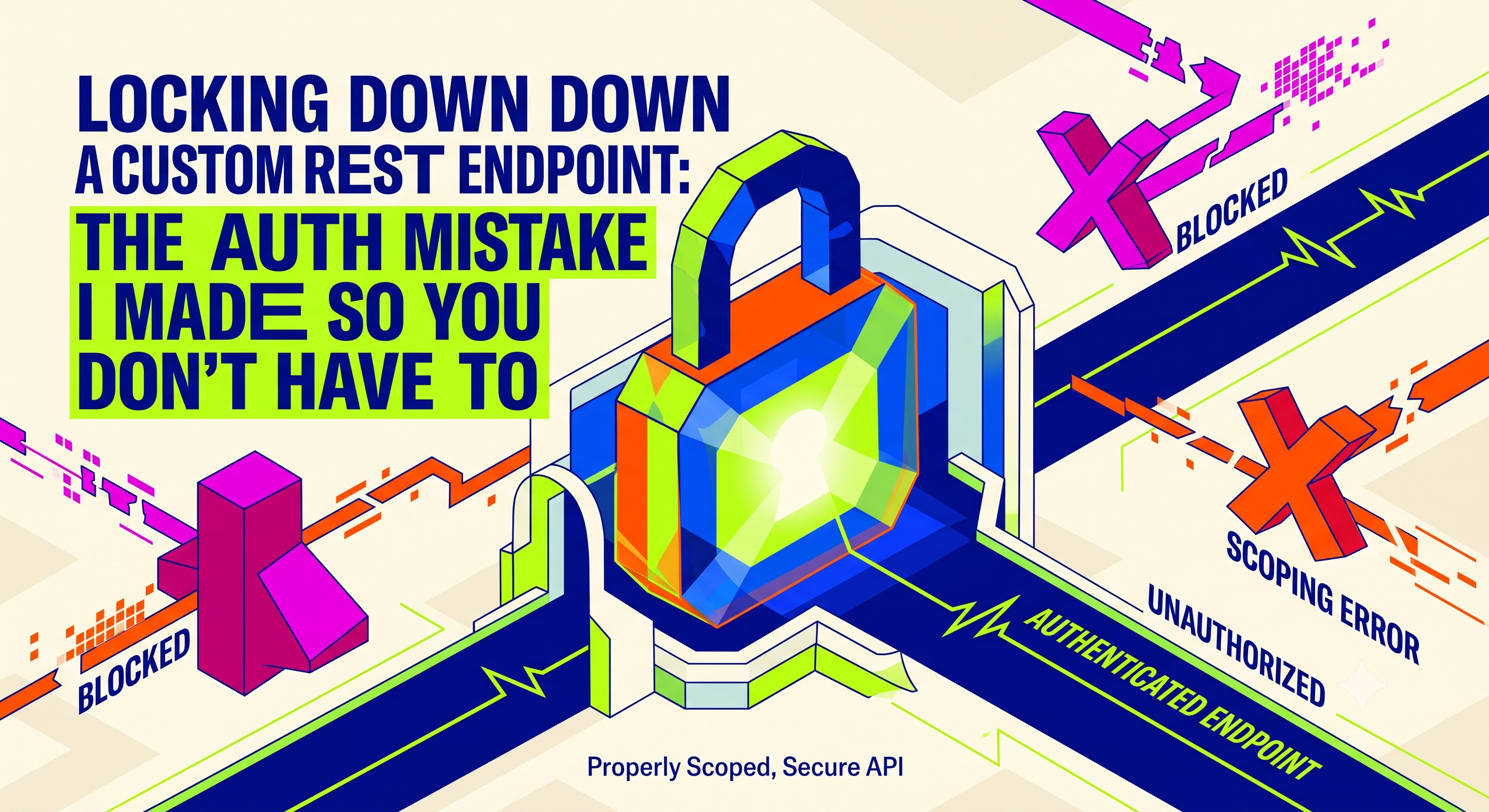
I found out a custom REST endpoint I'd built for a client's mobile app was wide open to the public internet when a routine log review turned up a request from…
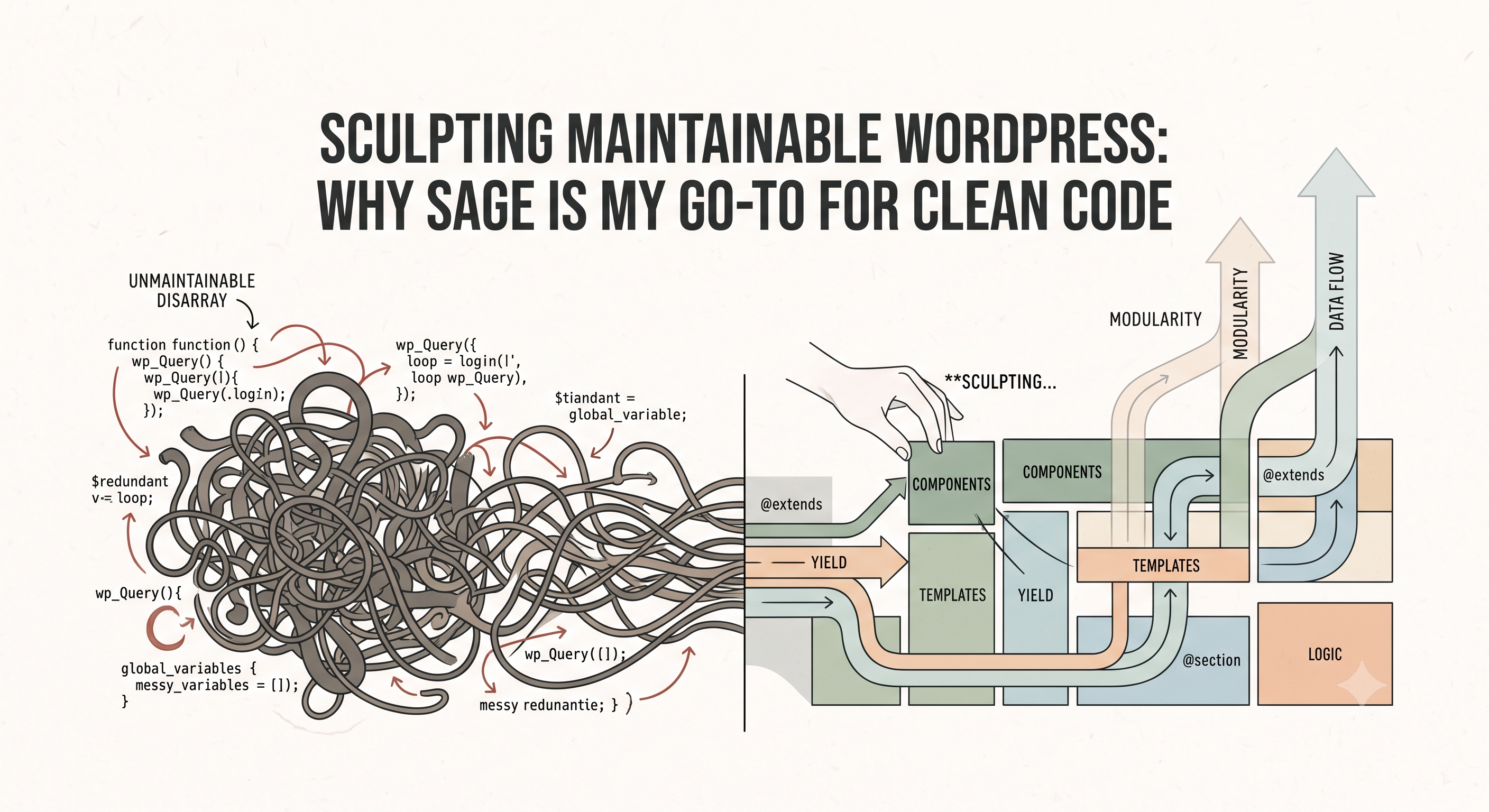
I've been building WordPress sites for years, and I've seen firsthand how quickly a project can spiral into an unmaintainable mess.
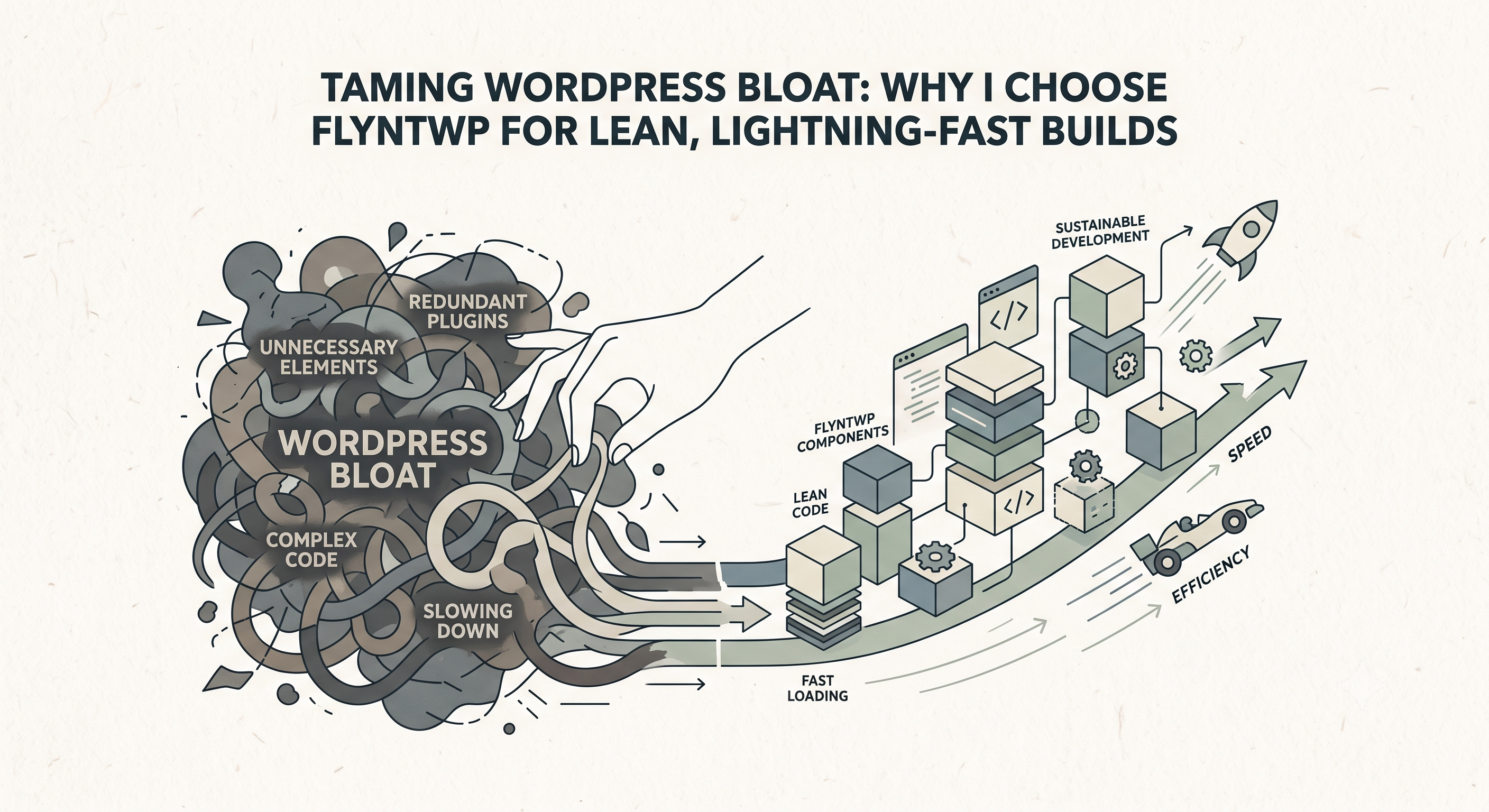
I've been in the WordPress trenches for a long time, and like many of you, I’ve wrestled with the promise and the peril of page builders.
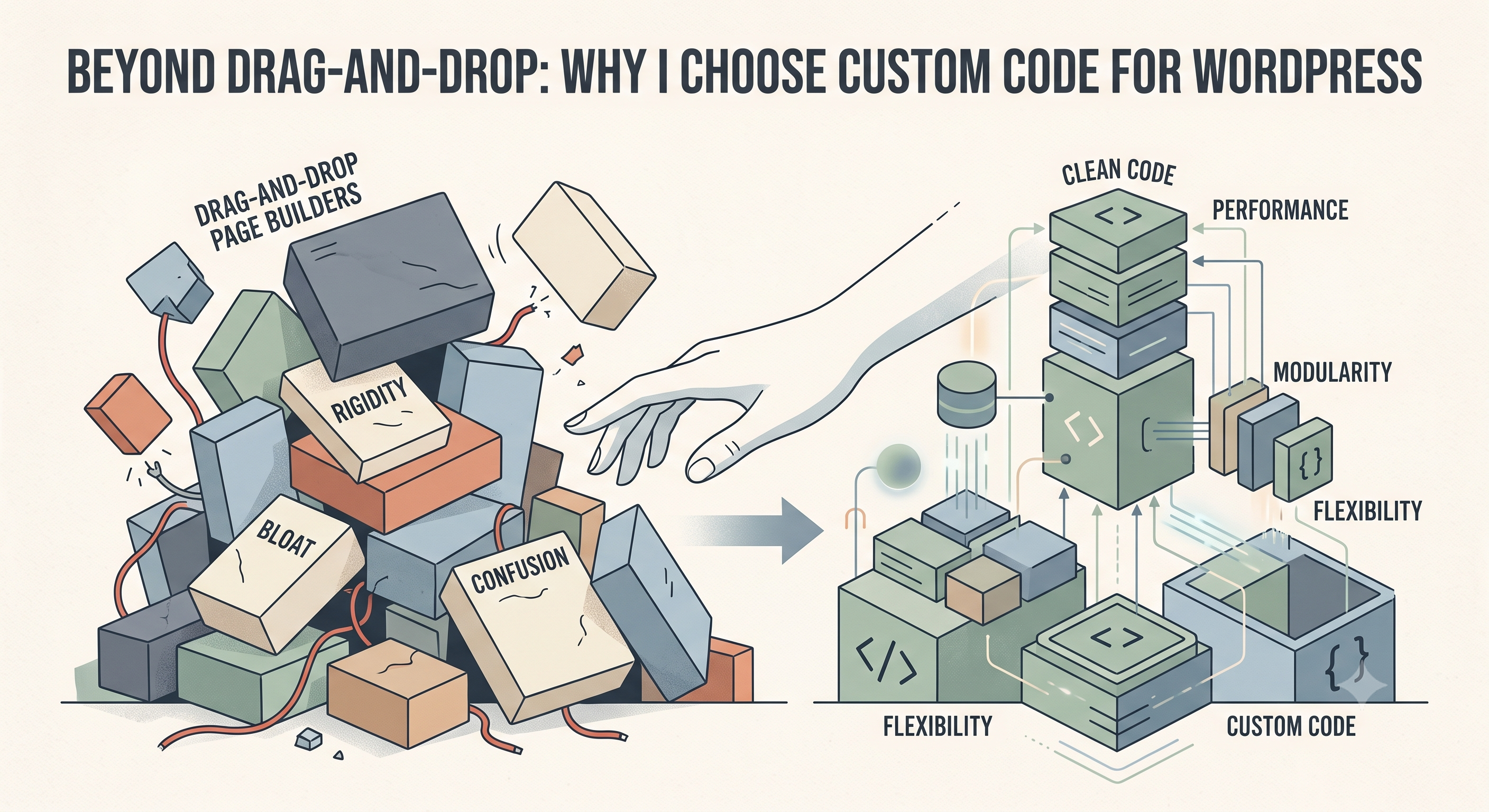
When diving into WordPress, the allure of page builders like Elementor or Divi is undeniable.
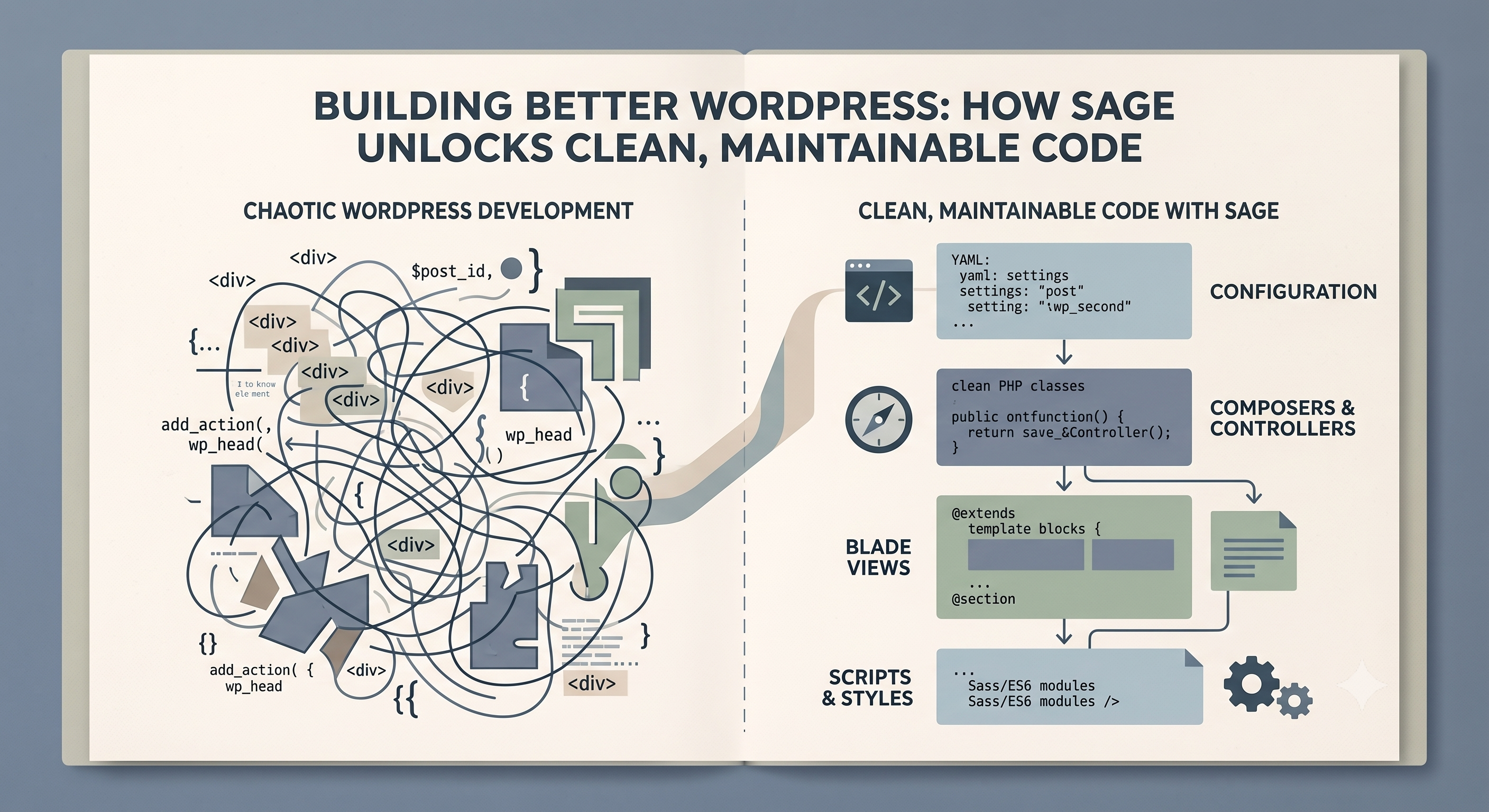
For years, the WordPress development landscape felt like a compromise.
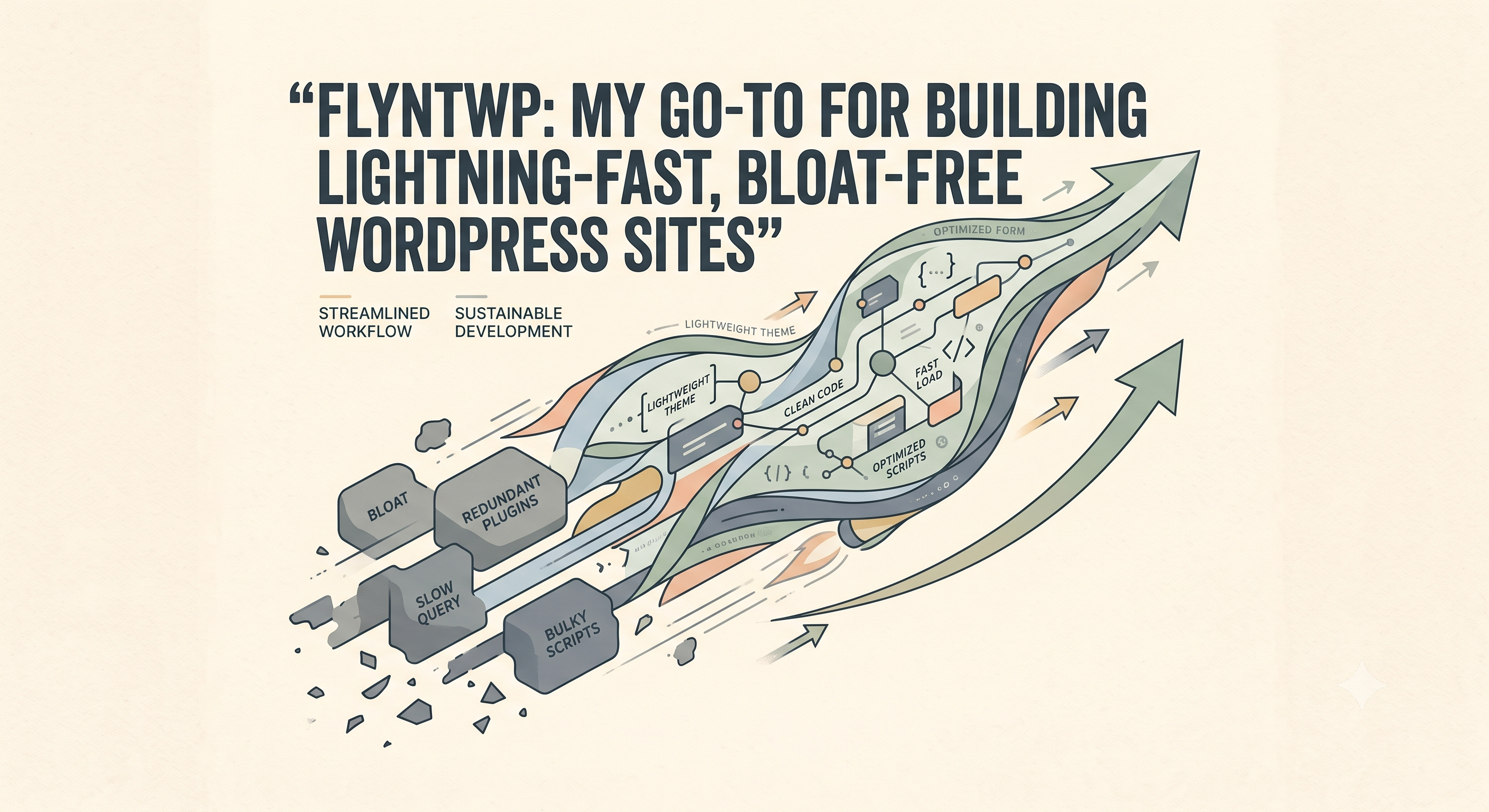
I’ve spent years in the WordPress development trenches, and like many of you, I’ve wrestled with the promise and frustration of low-code page builders.
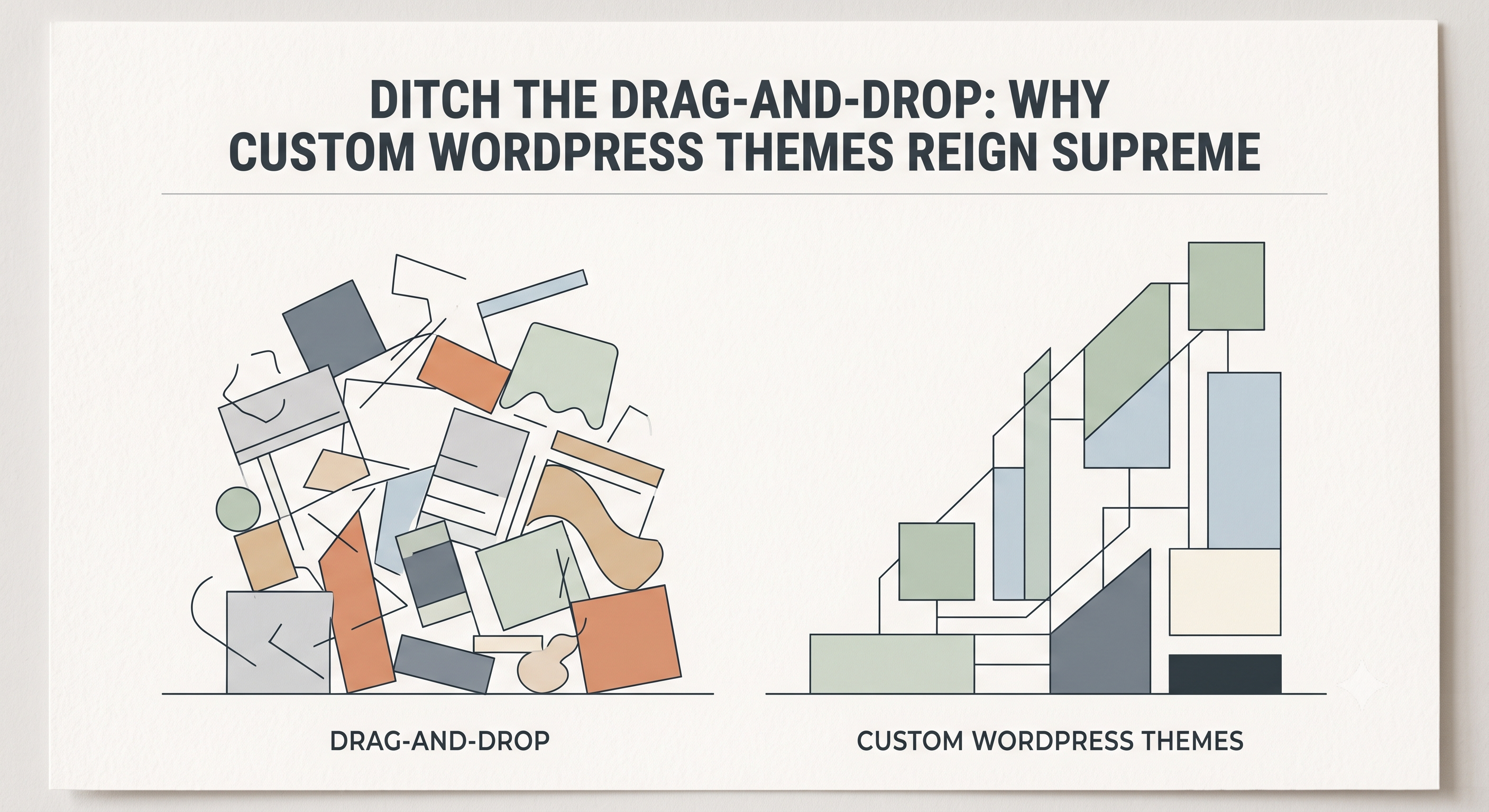
There’s no denying the immediate allure of a WordPress page builder.
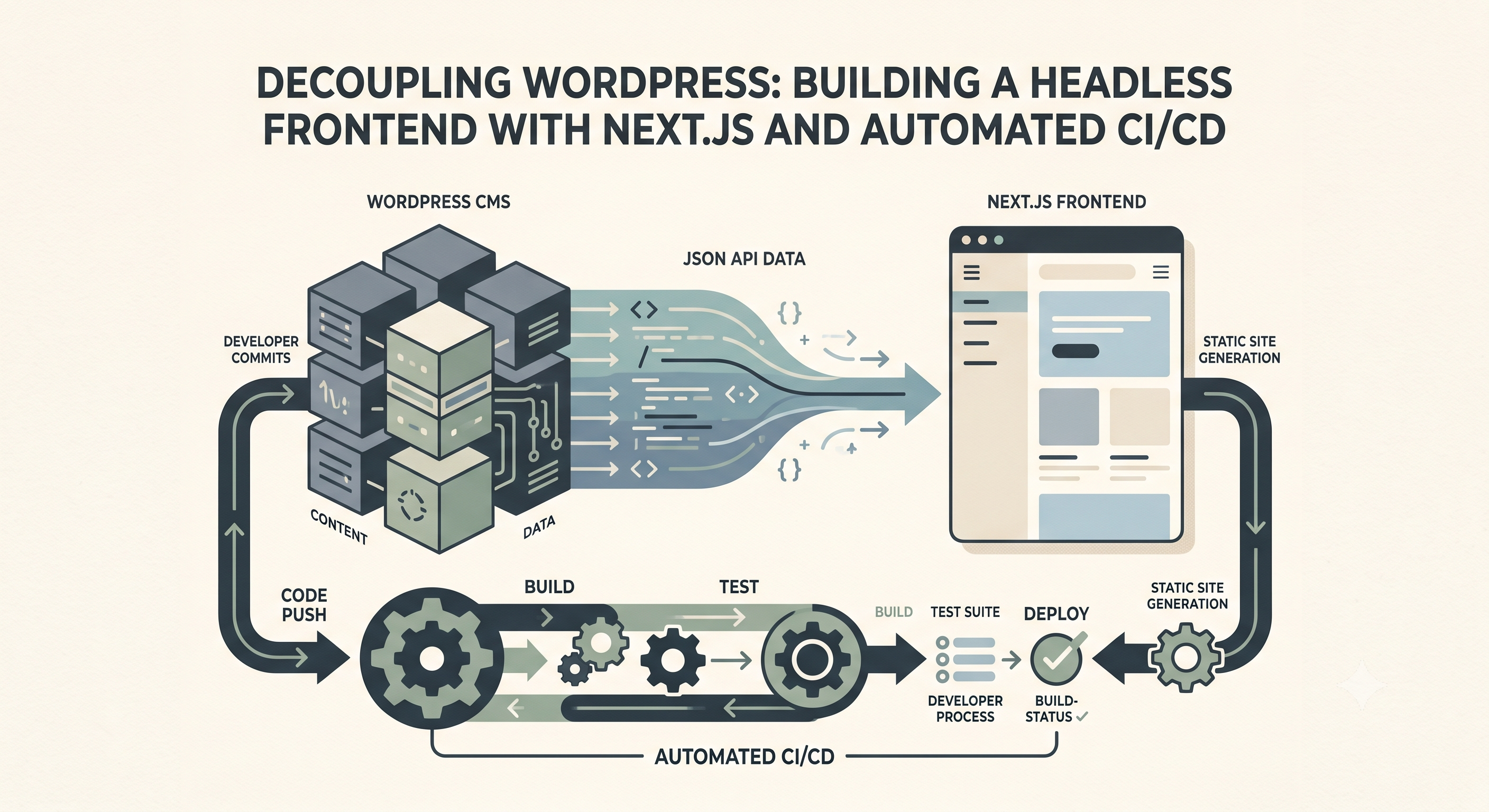
We often think of WordPress as a monolithic platform, a backend and frontend tightly coupled, dictating how our content is presented.
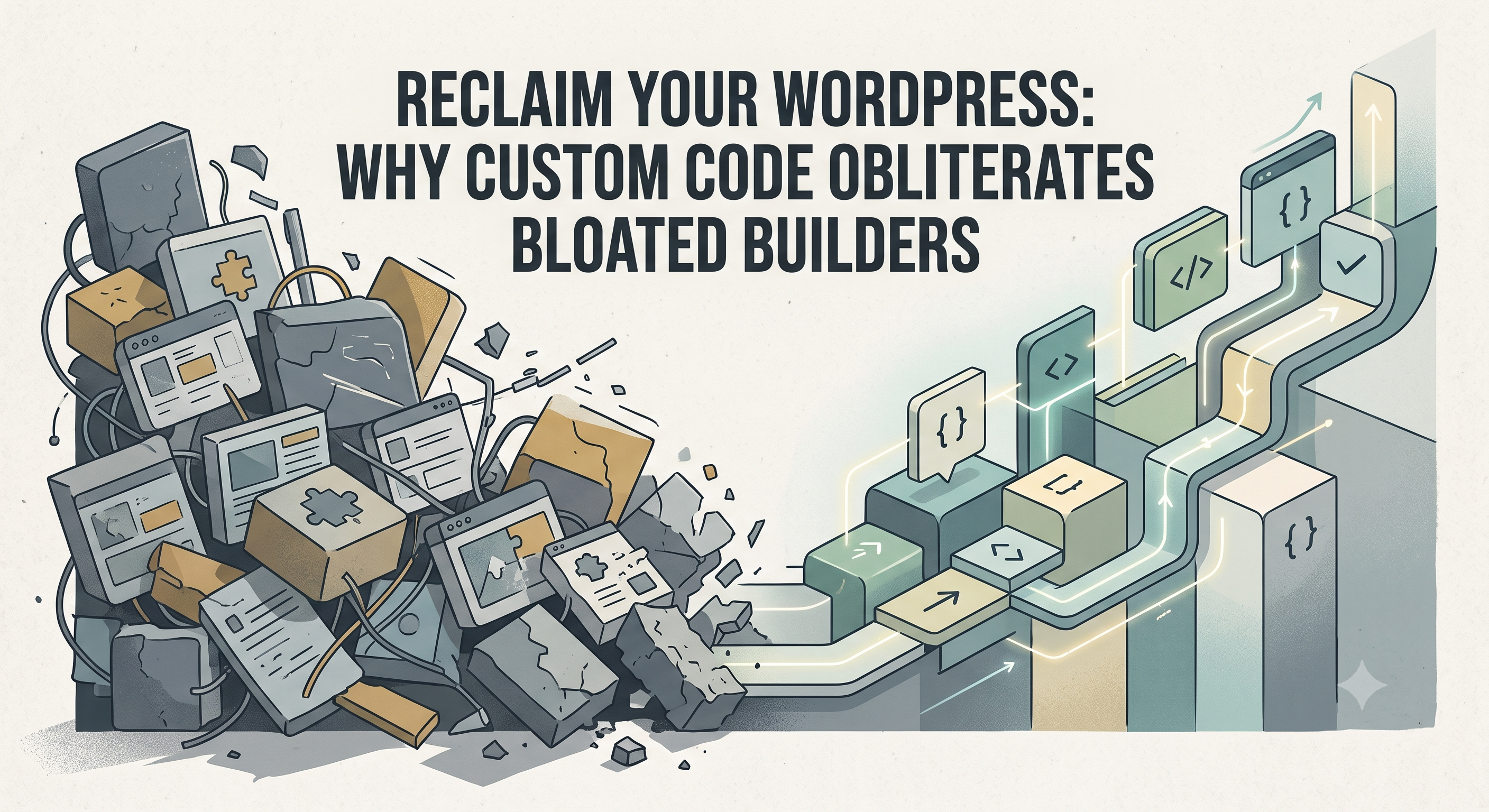
I’ve seen it countless times: a client needs a WordPress site, and the quickest path seems to be a drag-and-drop builder like Elementor or Divi.
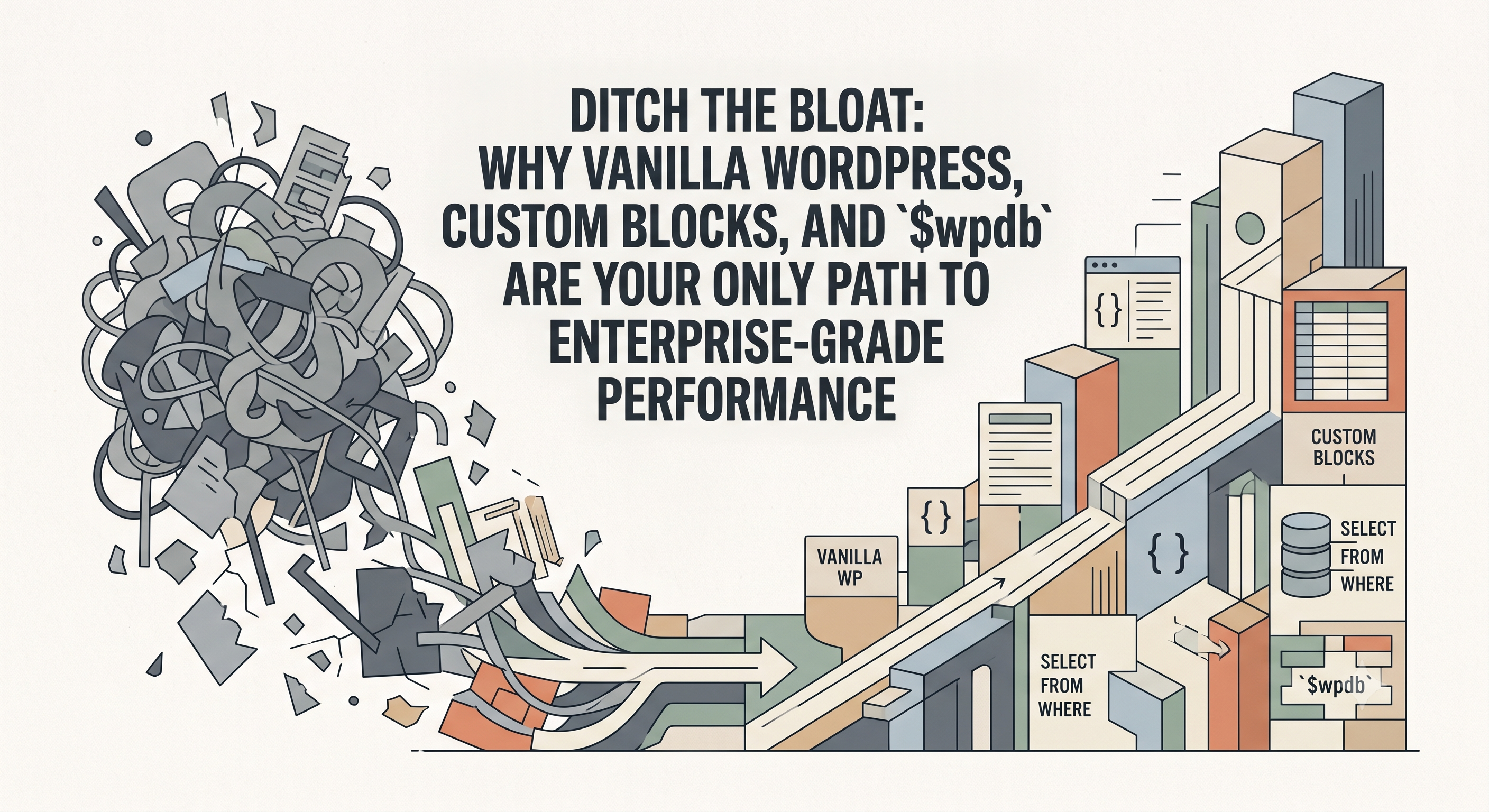
Let's cut through the marketing fluff and get brutally honest about WordPress development.
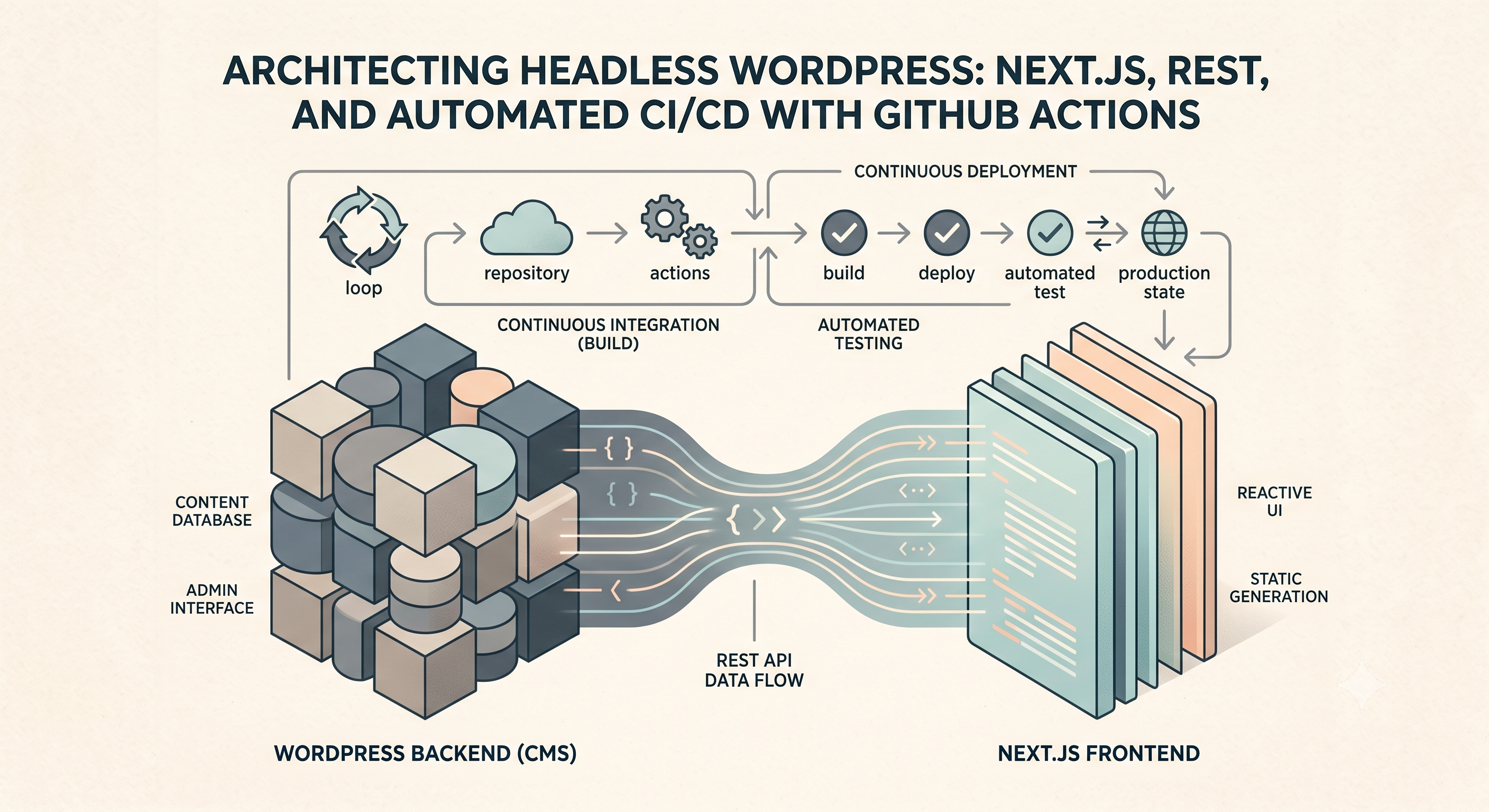
My journey into modern web development quickly led me to question the traditional coupled WordPress setup.
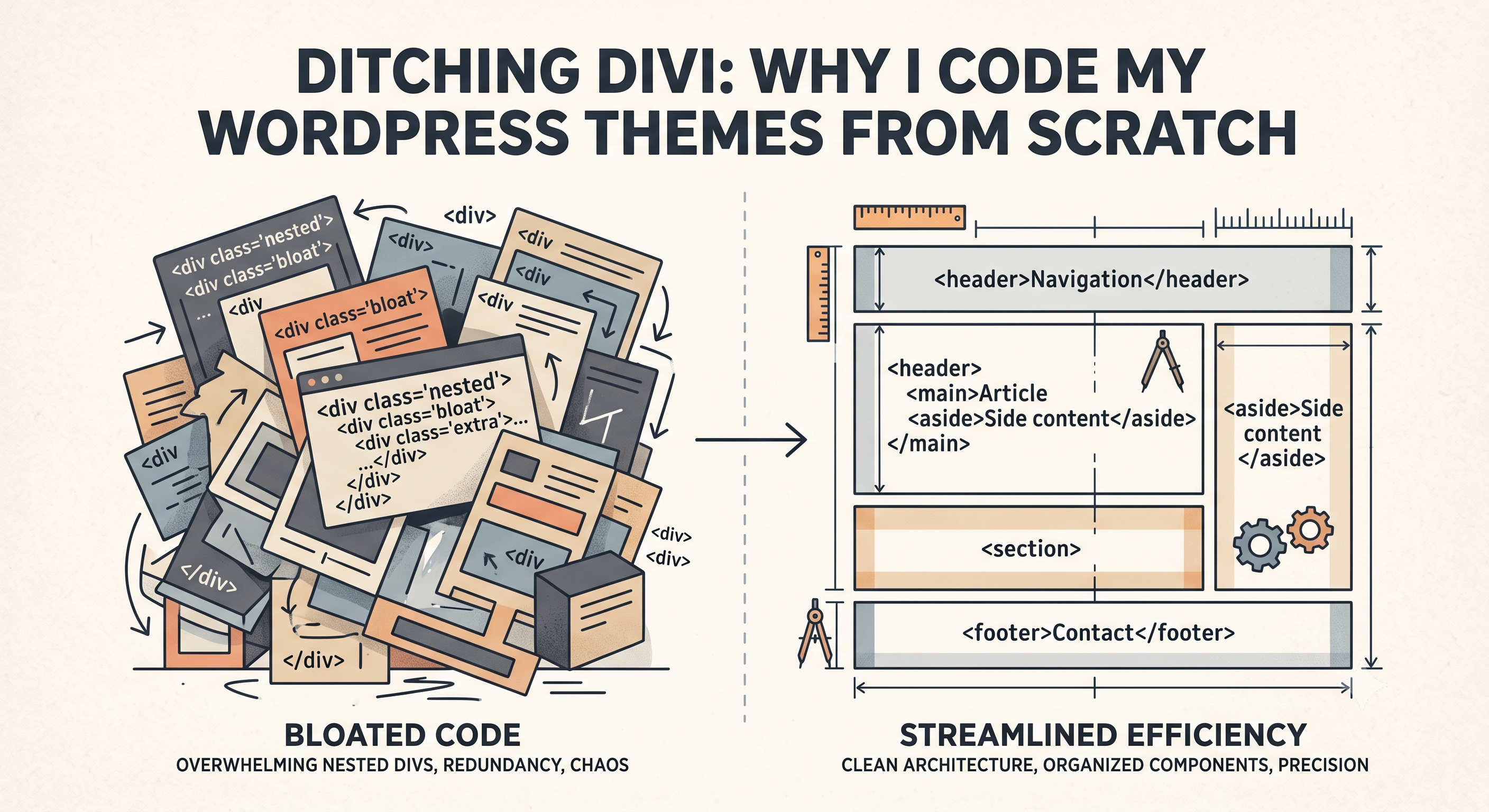
My journey with WordPress began, like many, with the seductive promise of visual drag-and-drop.
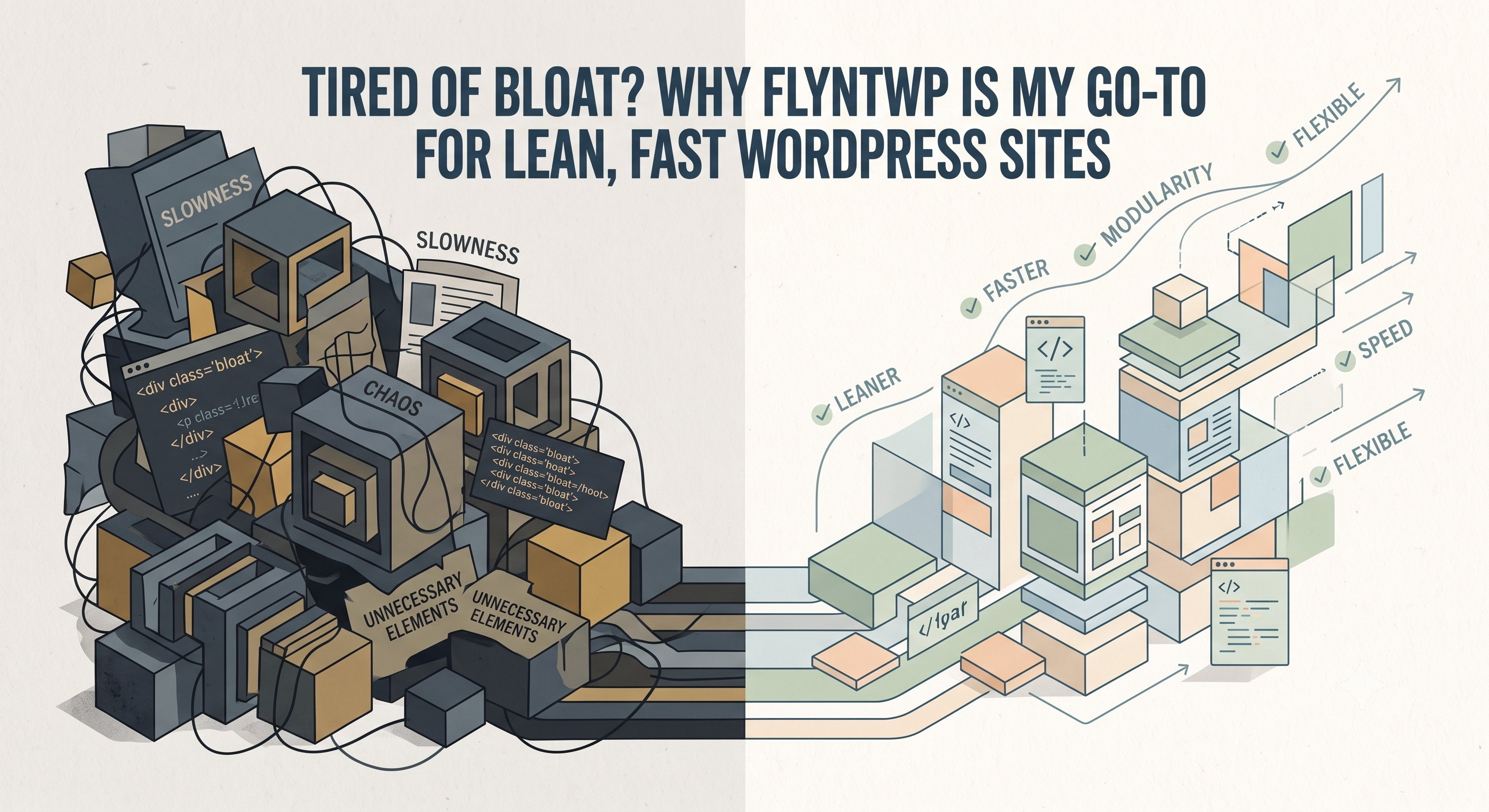
For years, I found myself in a constant battle with WordPress page builders.
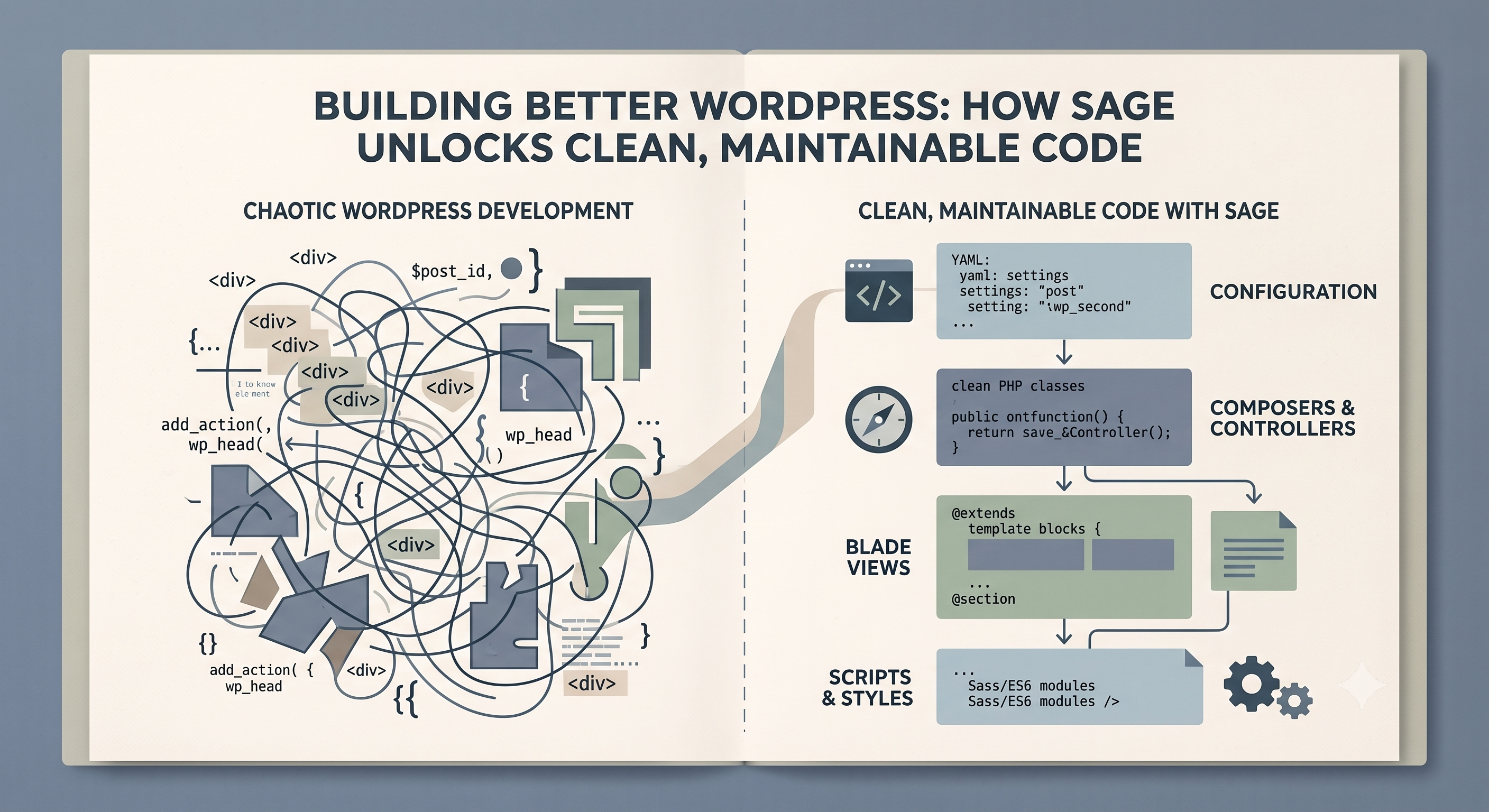
For years, the WordPress development landscape felt like a choose-your-own-adventure between spaghetti code and page builder bloat.
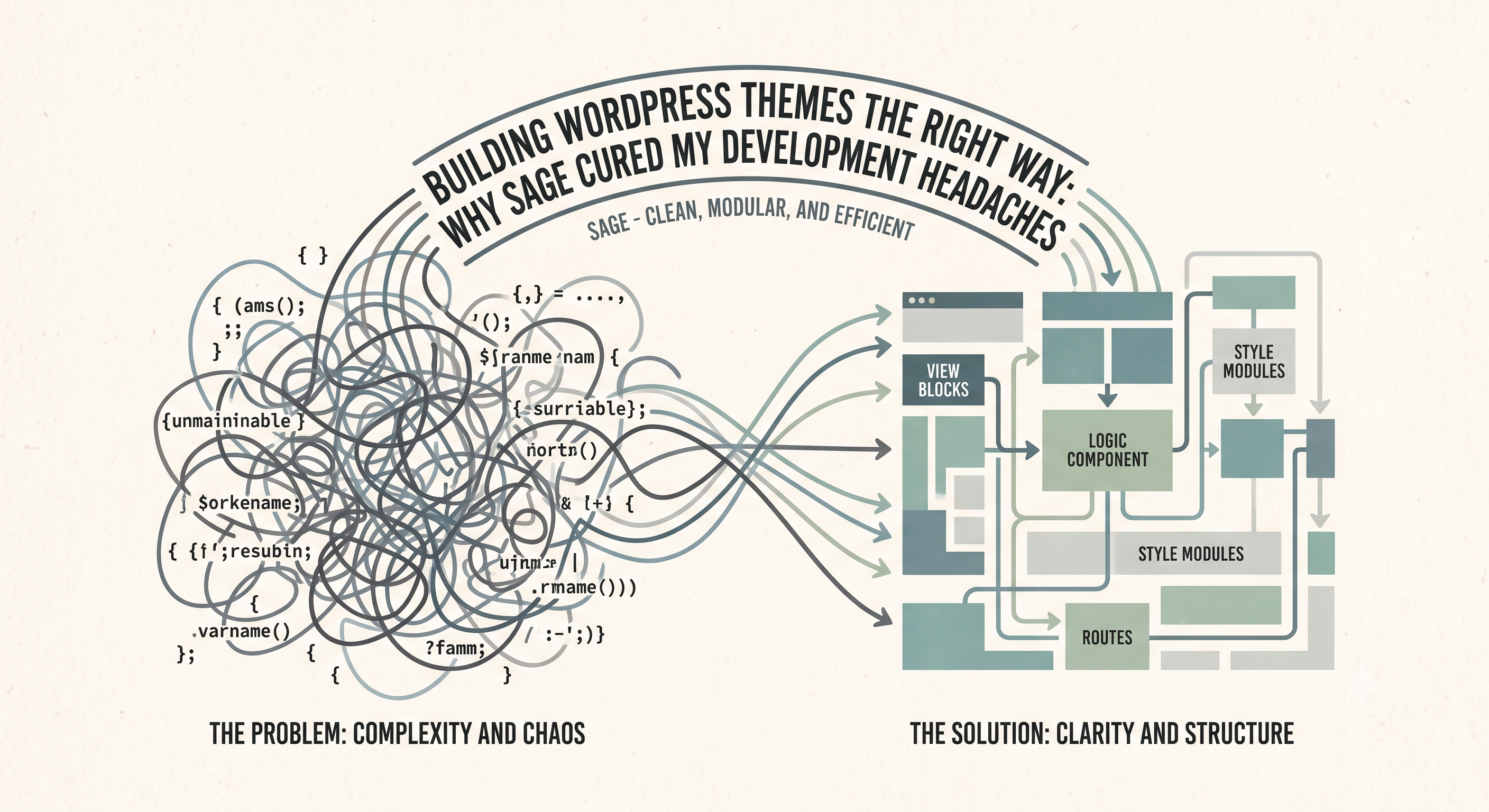
For years, WordPress theme development felt like a constant battle.
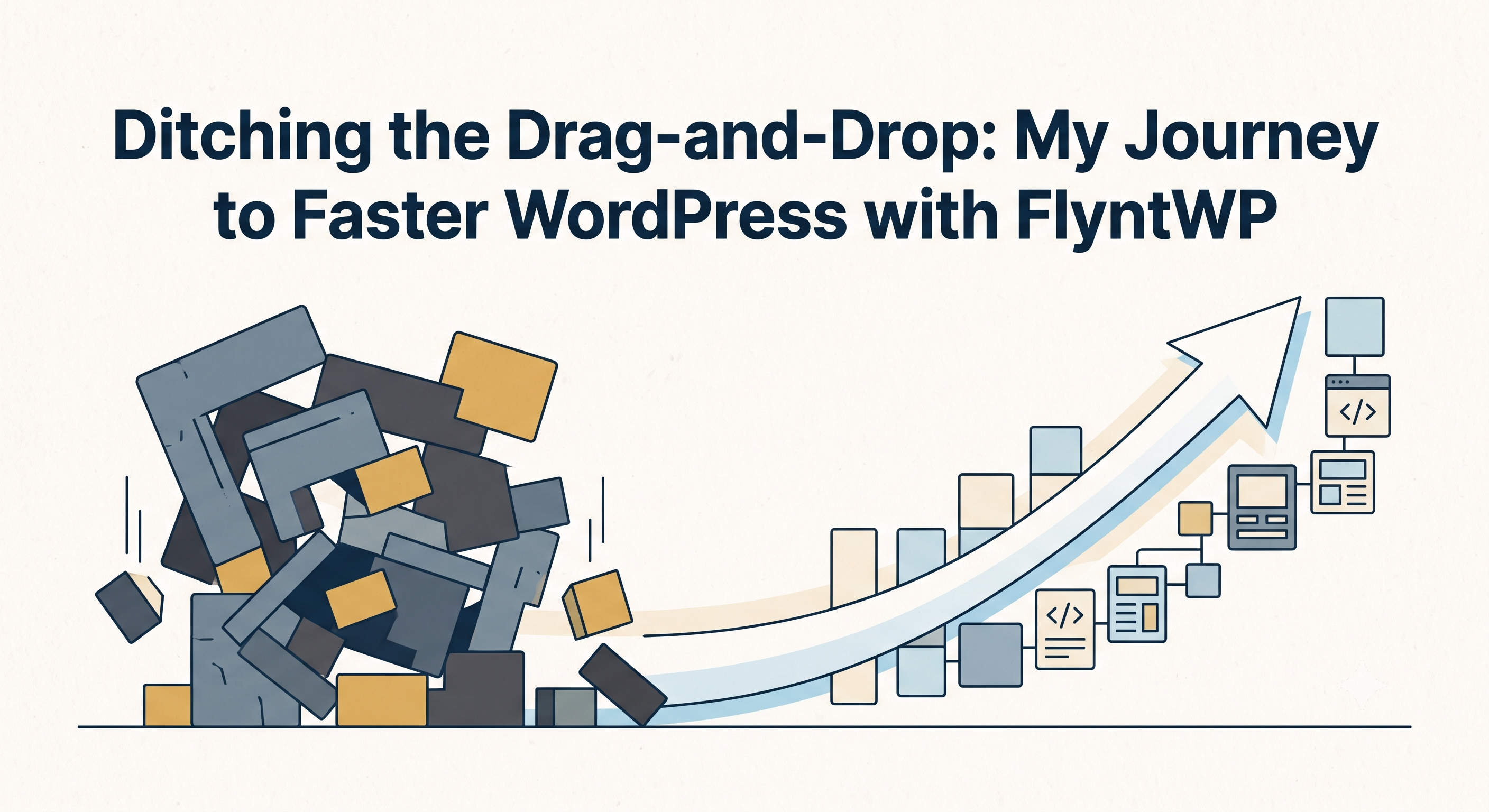
I've spent years building WordPress sites, and while page builders promised speed and ease, they often delivered bloat.

For anyone diving into WordPress, the allure of page builders like Elementor or Divi is undeniable.

I've spent years navigating the WordPress ecosystem, and if there's one constant frustration I've encountered, it's the struggle between rapid development and…
I've built my fair share of WordPress sites over the years, and I’ve seen the rise and, frankly, the performance fall of many popular low-code page builders.
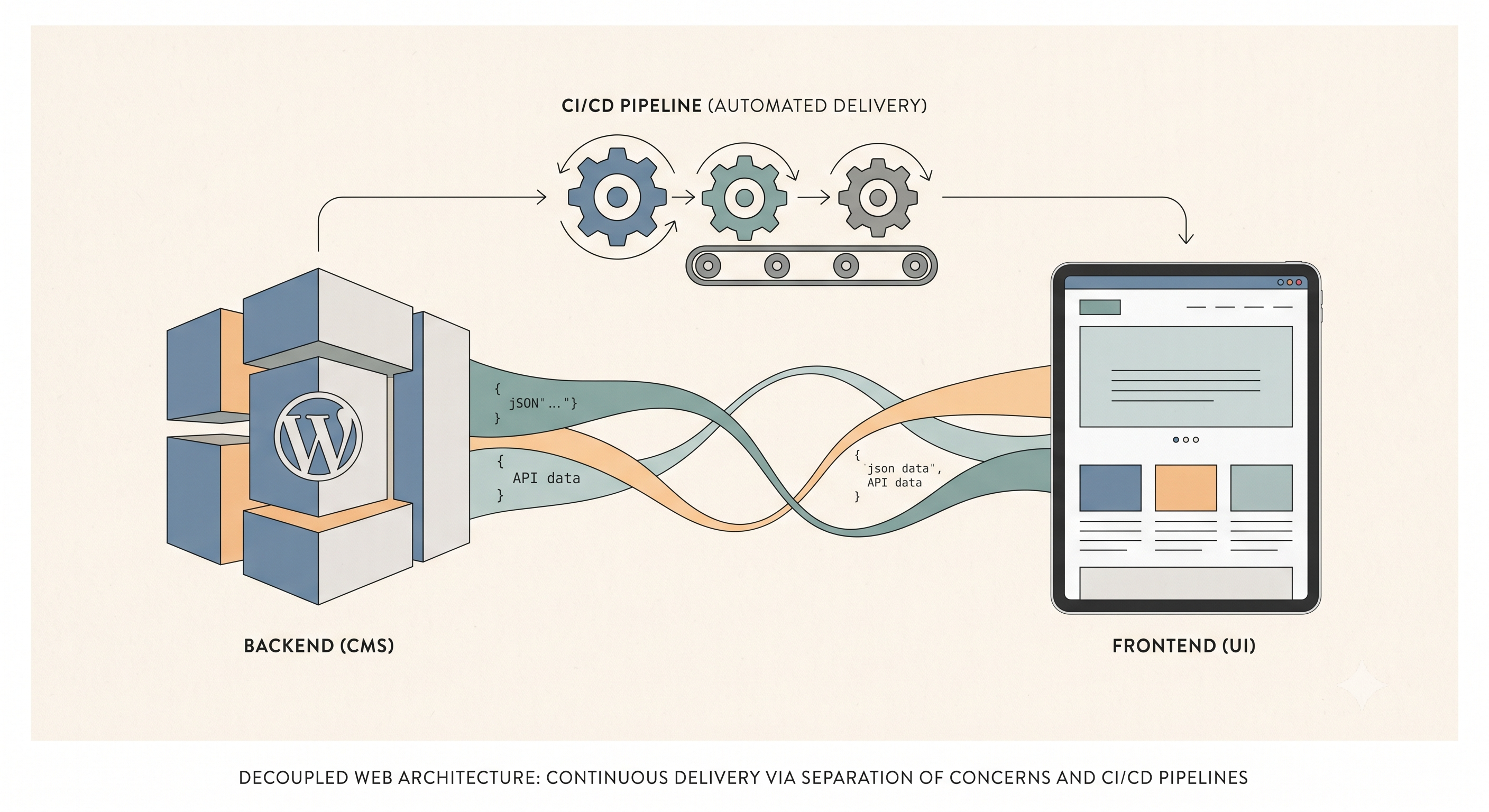
I've spent years pushing WordPress beyond its blog-centric origins, and lately, my focus has shifted dramatically towards leveraging it as a robust, headless…
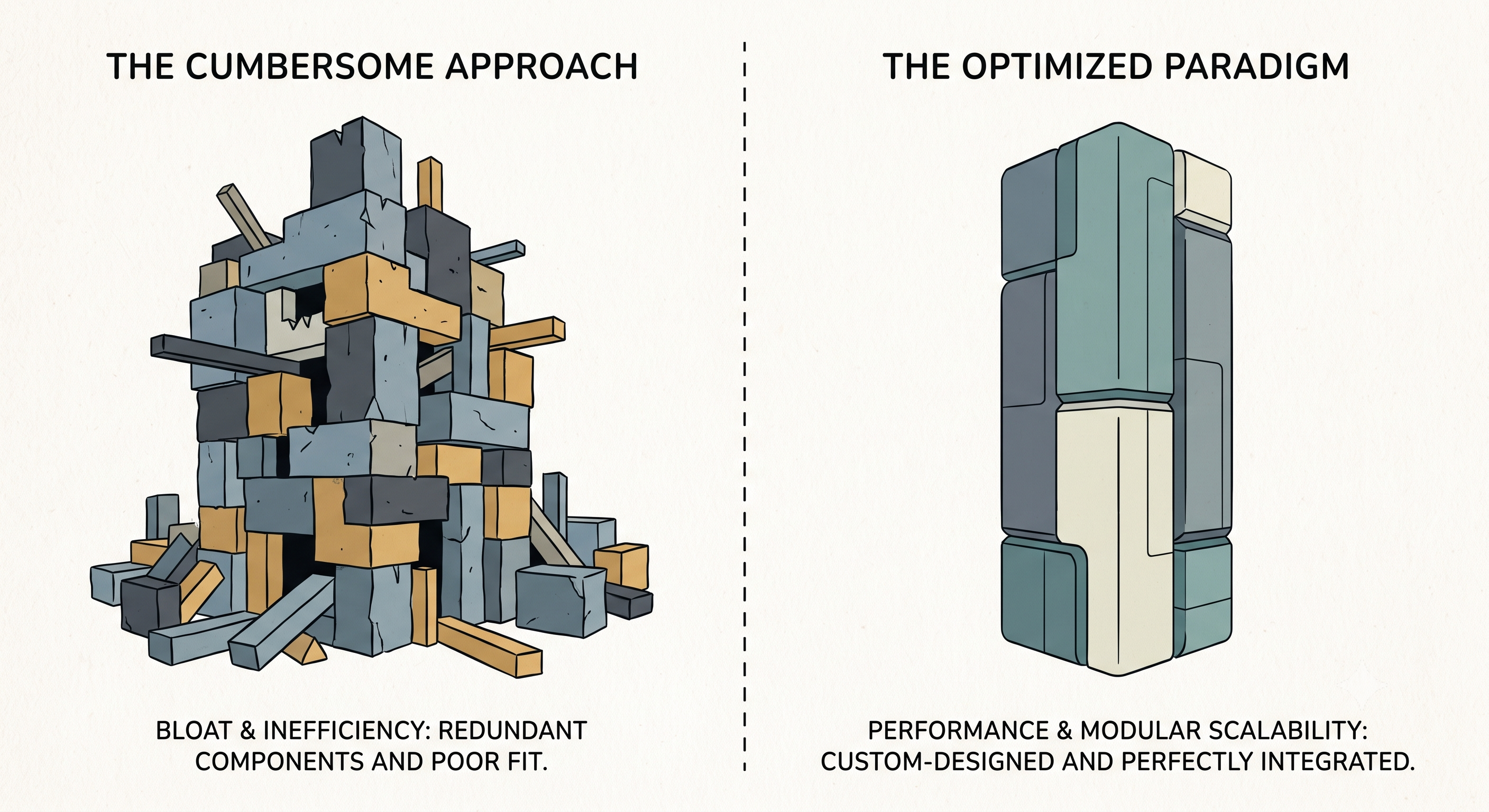
Let's talk WordPress.
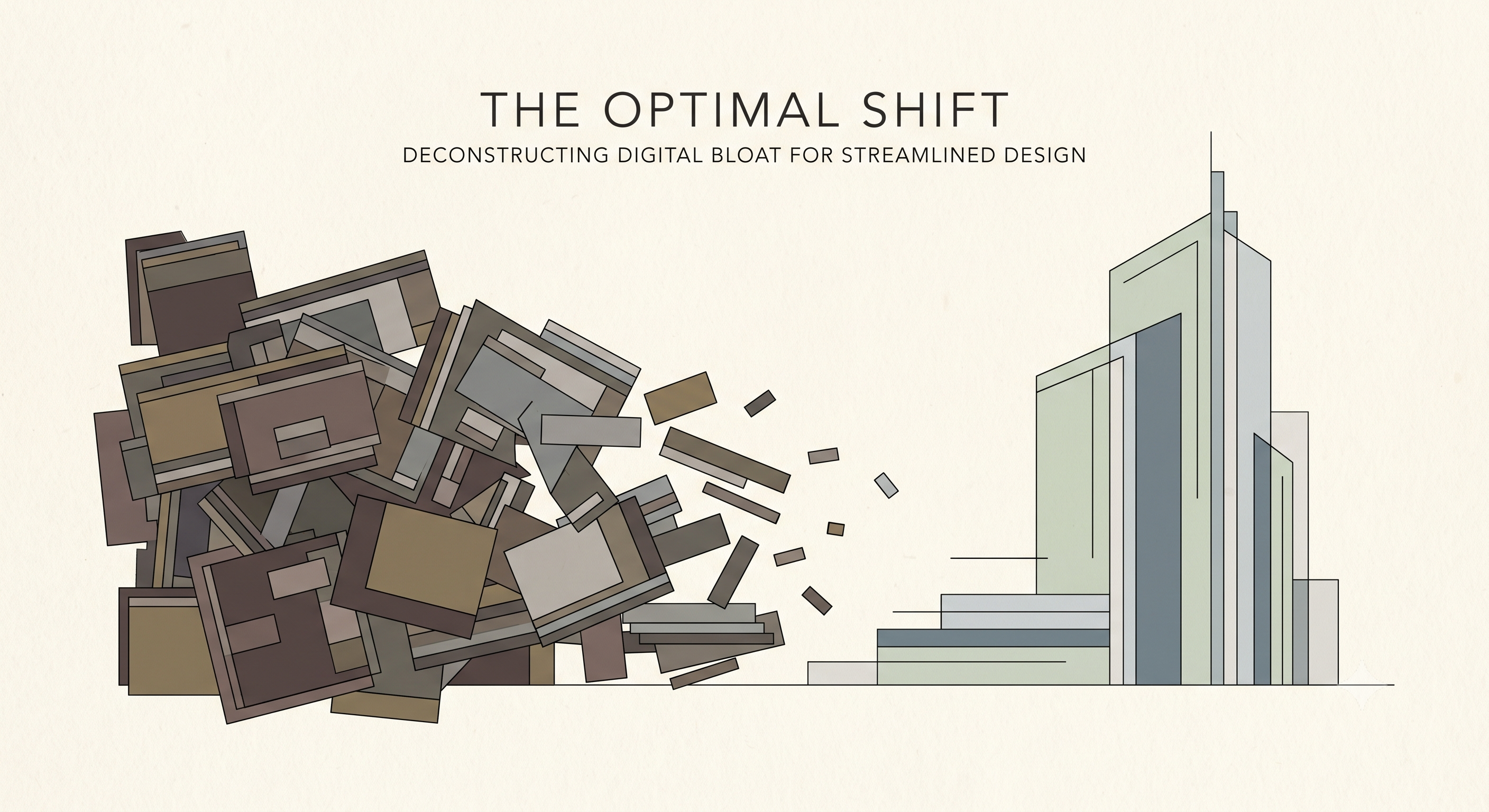
For years, like many of you, I dabbled extensively with WordPress page builders.
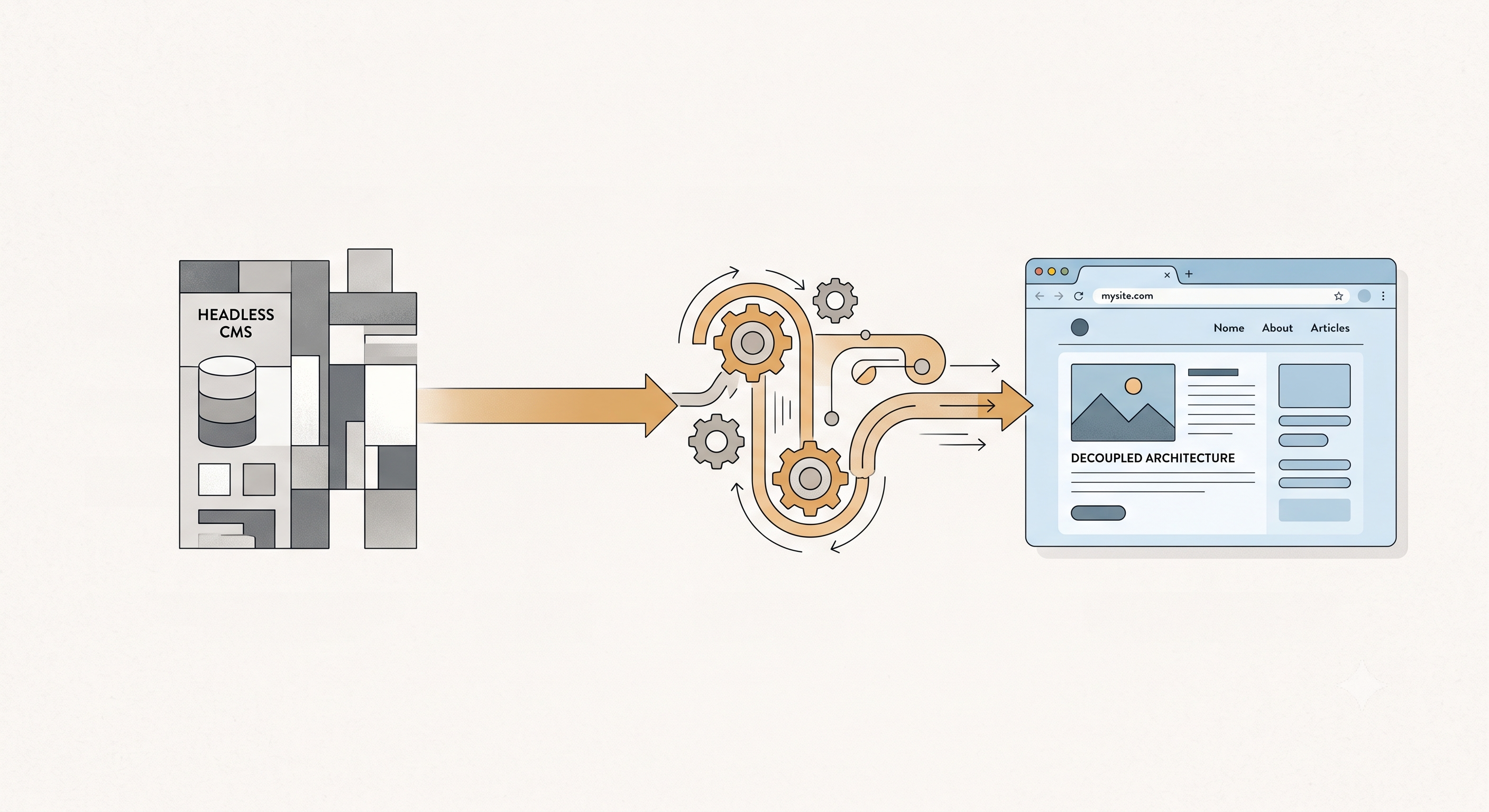
For years, WordPress has been the backbone of countless websites, renowned for its ease of use and vast plugin ecosystem.

I remember staring at the Lighthouse report for that client's old WordPress site last year.

I remember this one project, maybe three years back now.

I remember sitting at my desk a few months back, staring at a particularly gnarly WordPress template file.
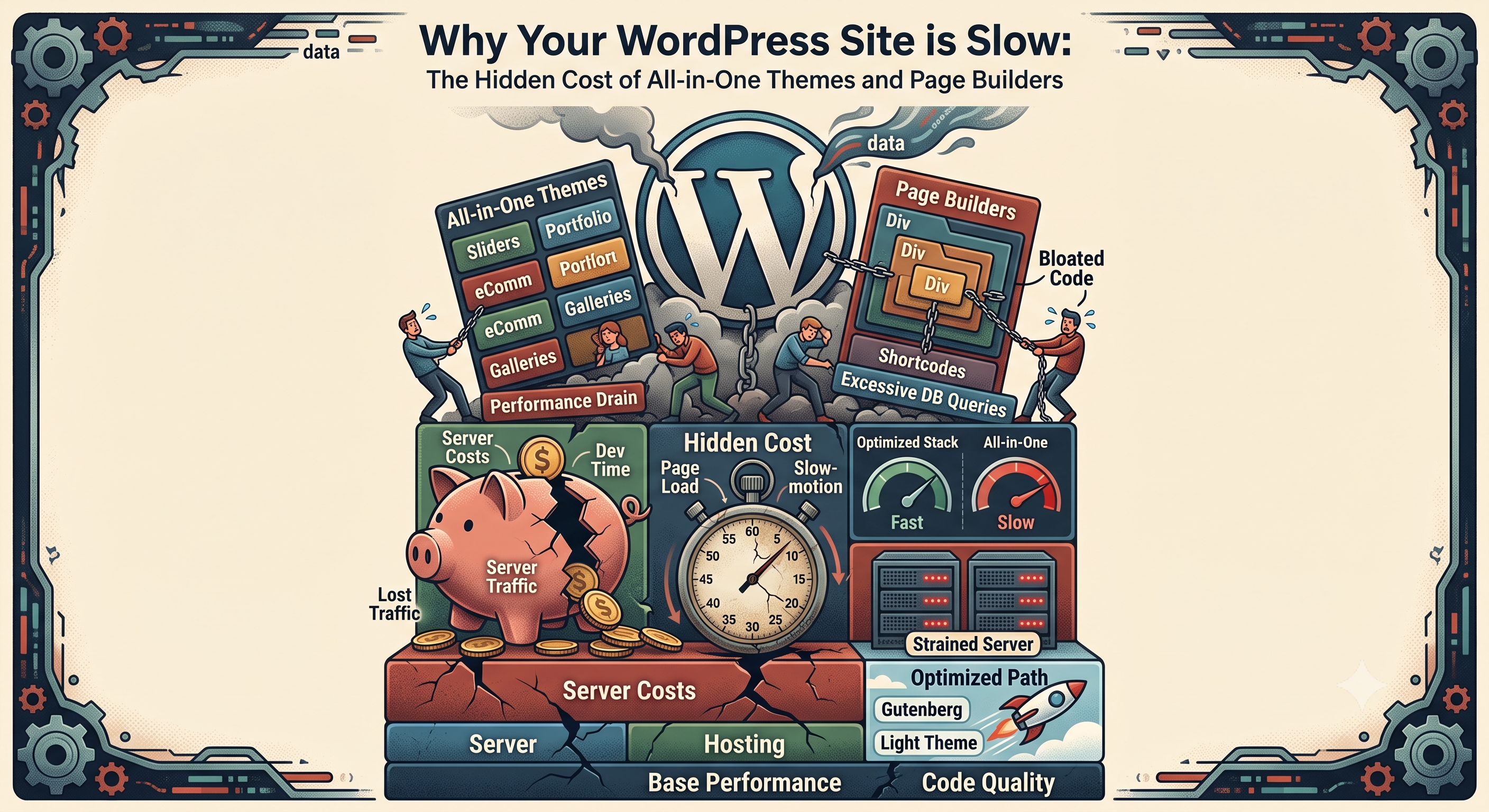
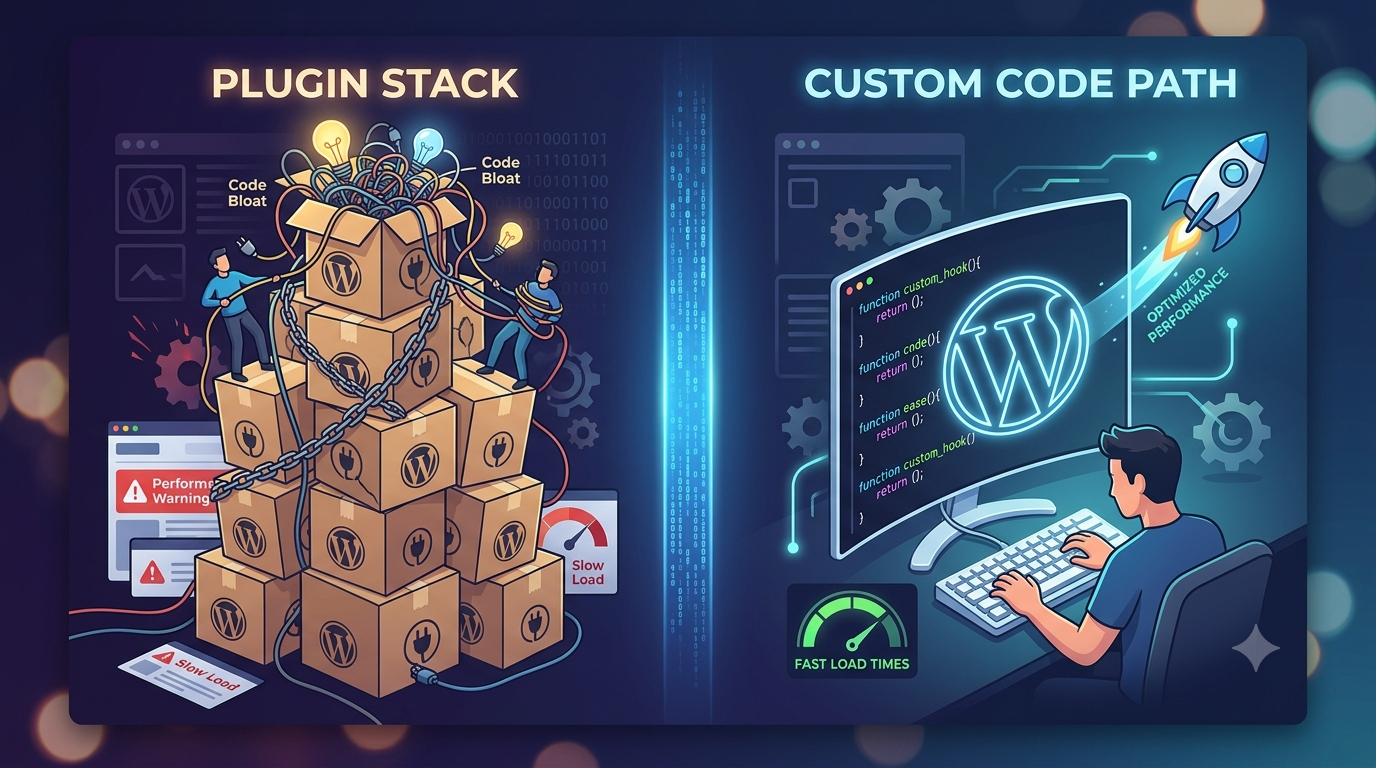
I’ve been building websites with WordPress for, well, longer than I care to admit sometimes.