Why I Finally Went Headless on My Last WordPress Project (And How I CI/CD'd It)
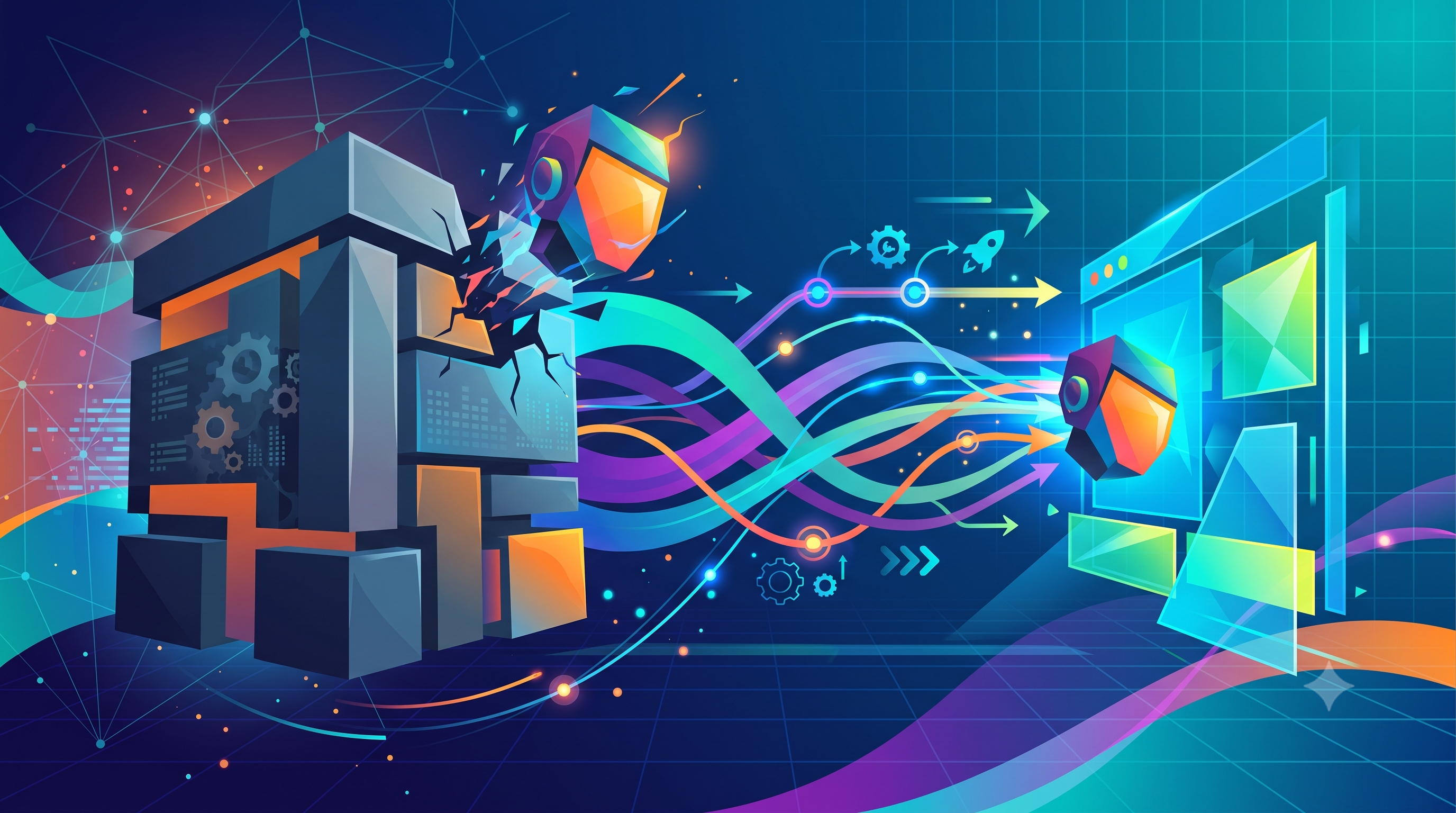
I remember sitting at my desk a few months back, staring at a particularly gnarly WordPress template file. The client wanted lightning-fast page loads, an incredibly interactive front-end, and the ability for their content team to update complex data structures without ever touching a line of code. My gut reaction, given the existing infrastructure, was to start hacking away in PHP like I always did. Then the memories of agonizingly slow page builds, the plugin conflicts, and the general "WordPress slowness" that inevitably creeps in on any custom, high-traffic site flashed before my eyes. Nope. Not again. This time, I decided, we're going headless.
It was a small mental shift, but a huge technical one. We already had WordPress running as a backend for some other stuff, so ditching it entirely wasn't an option. The mandate was clear: use WordPress as the content engine, but serve the front-end with something truly modern. So, I spun up a new Next.js project. WordPress became purely a data source. I meticulously designed custom post types for all the distinct content types – events, locations, speaker profiles – and leveraged Advanced Custom Fields to manage all the associated metadata. Dates, images, related content, custom slugs; ACF handled it beautifully. The WP REST API exposed everything exactly as I needed it. I did end up writing a couple of custom API endpoints to pre-process and aggregate some data, like pulling a speaker’s full profile *and* all their upcoming events in a single network request, just to cut down on client-side fetching complexity. That initial setup took about a week to get just right.
The real fun began with CI/CD. I split the project into two distinct GitHub repositories: one for the WordPress backend (themes, custom plugins, `functions.php` tweaks) and another for the Next.js front-end. This separation of concerns made deployments a lot cleaner. For the Next.js app, I set up a straightforward GitHub Actions workflow: on every push to `main`, it'd run `npm install`, `npm run build`, and then deploy directly to Vercel using their CLI and a couple of environment variables stored securely in GitHub Secrets. This part was almost frictionless, once I sorted out a pesky `NEXT_PUBLIC_API_URL` variable that was pointing to `localhost` in production for some reason. Rookie mistake.
The WordPress side was trickier. I didn't want to redeploy the entire instance every time. My workflow focused on deploying *only* the theme and custom plugin directories. The GitHub Action would SSH into the server, pull the latest changes for just those directories, run `composer install` if there were new dependencies, and then clear any relevant caches. We weren't doing frequent database migrations for this project, mostly content updates, so that simplified things considerably. The entire front-end deployment pipeline now takes under three minutes from commit to live, which is frankly liberating.
Honestly, going headless isn't for every WordPress site. If you're building a simple blog or a brochure site with minimal interactivity, the added complexity of managing two separate codebases and deployment pipelines probably isn't worth the overhead. You're adding a whole new layer to troubleshoot. But for sites demanding sub-second load times, dynamic content, and a modern developer experience with frameworks like React or Vue, it's absolutely the way to go. You get to use the best content management system on the planet (yeah, I said it, still love WP for content) without any of its traditional performance baggage. Just be prepared to put in the work upfront. You won't regret it.