Building Beyond the Builder: Why Custom WordPress Themes Win on Performance and Scale
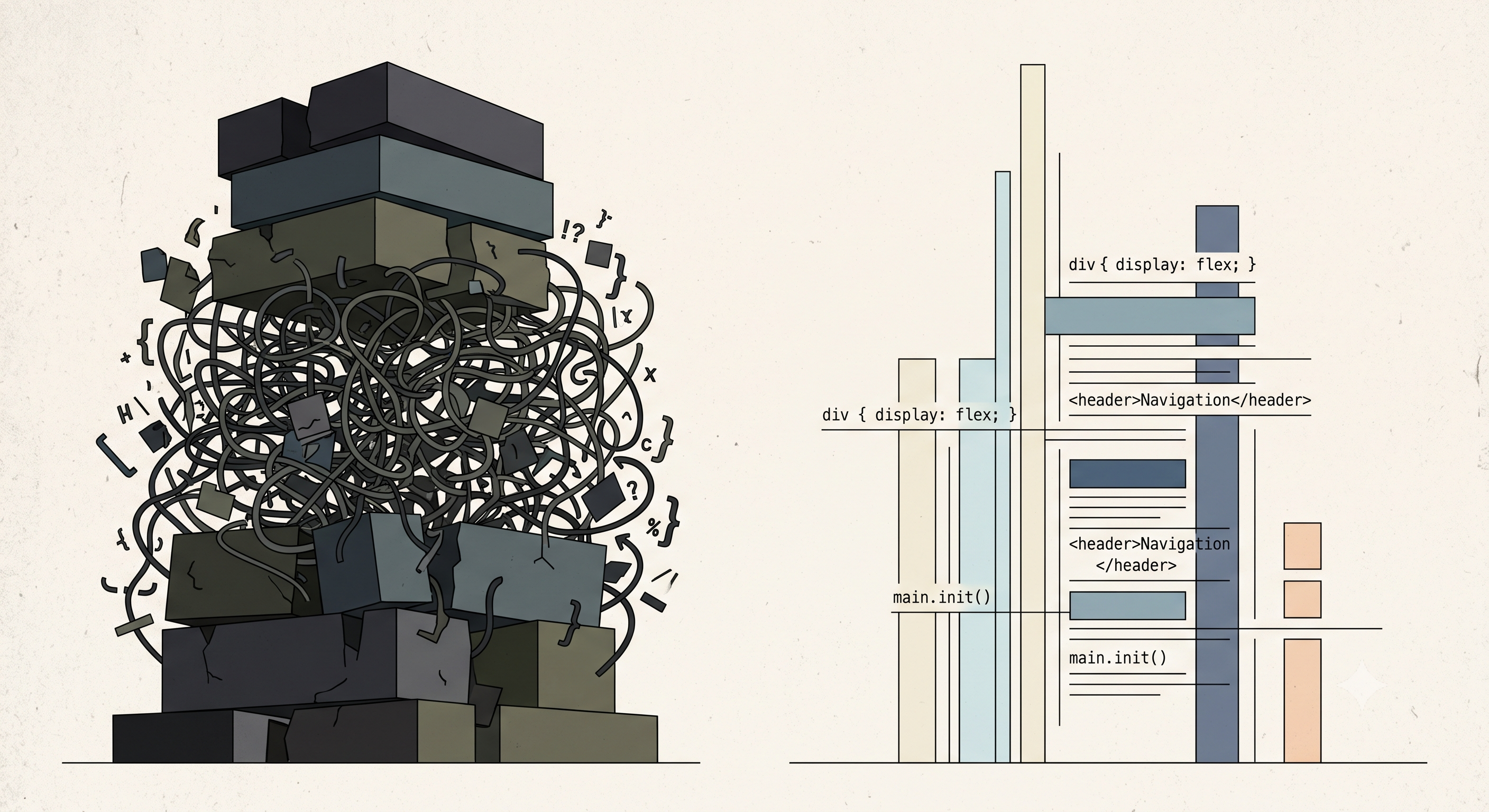
For anyone diving into WordPress, the allure of page builders like Elementor or Divi is undeniable. The promise of drag-and-drop design, instant visual feedback, and quick launches seems like a dream come true, especially for those without a coding background. I've been there, appreciating the speed at which a client could get *something* live. But after years immersed in WordPress development, I've come to a firm conclusion: for serious projects aiming for peak performance, robust scalability, and long-term maintainability, the investment in a custom-coded theme always pays dividends over a page builder.
The immediate gratification offered by page builders often hides significant technical debt. While they make initial setup incredibly fast, they do so by generating a substantial amount of code behind the scenes – often inline CSS, excessive JavaScript, and a bloated Document Object Model (DOM) structure. This code isn't always optimized or efficient, leading directly to slower page load times. Your beautiful, visually constructed pages are likely dragging along, struggling to meet crucial Core Web Vitals like Largest Contentful Paint (LCP) and Cumulative Layout Shift (CLS), which are critical for both user experience and search engine rankings. A custom theme, built from the ground up, allows for meticulous control over every line of code, ensuring only what's absolutely necessary is loaded, resulting in lightning-fast sites.
Beyond raw speed, consider modular scalability. With a custom theme, you're building a bespoke system perfectly tailored to the project's unique requirements. I often leverage Advanced Custom Fields (ACF) to create highly specific, reusable content blocks and integrate them directly into the Gutenberg editor or as custom templates. This means clients get an intuitive editing experience without the underlying bloat of a page builder. Want to add a new feature or content type? You're adding precisely the code needed, integrating seamlessly. Contrast this with page builders, where every new element or modification often means adding another layer of complex, sometimes redundant, code to an already heavy system. Custom code offers a clean, surgical approach where you can scale by adding exactly what's required, rather than inheriting a broader framework that might be overkill.
Think about the long-term. Page builders often come with a degree of "vendor lock-in." If you ever decide to move away from Elementor or Divi, you're likely facing a complete rebuild, as the content often becomes inextricably tied to the builder's proprietary shortcodes or data structures. A custom theme, built on standard WordPress best practices and well-structured code, is inherently more flexible and future-proof. Updates are often smoother, conflicts with other plugins are less frequent, and diagnosing issues is more straightforward because the code is entirely within your control. This translates to fewer headaches, lower maintenance costs over time, and a greater sense of security in your digital asset.
While the upfront cost for a custom-coded theme might be higher than simply buying a page builder license and a pre-made template, it's an investment in a robust, high-performing, and highly maintainable digital platform. It’s choosing precision engineering over off-the-shelf assembly. For clients who understand the value of superior performance, modular growth, and a genuinely future-proof web presence, advocating for a custom WordPress theme isn't just a technical preference – it's a strategic business decision.